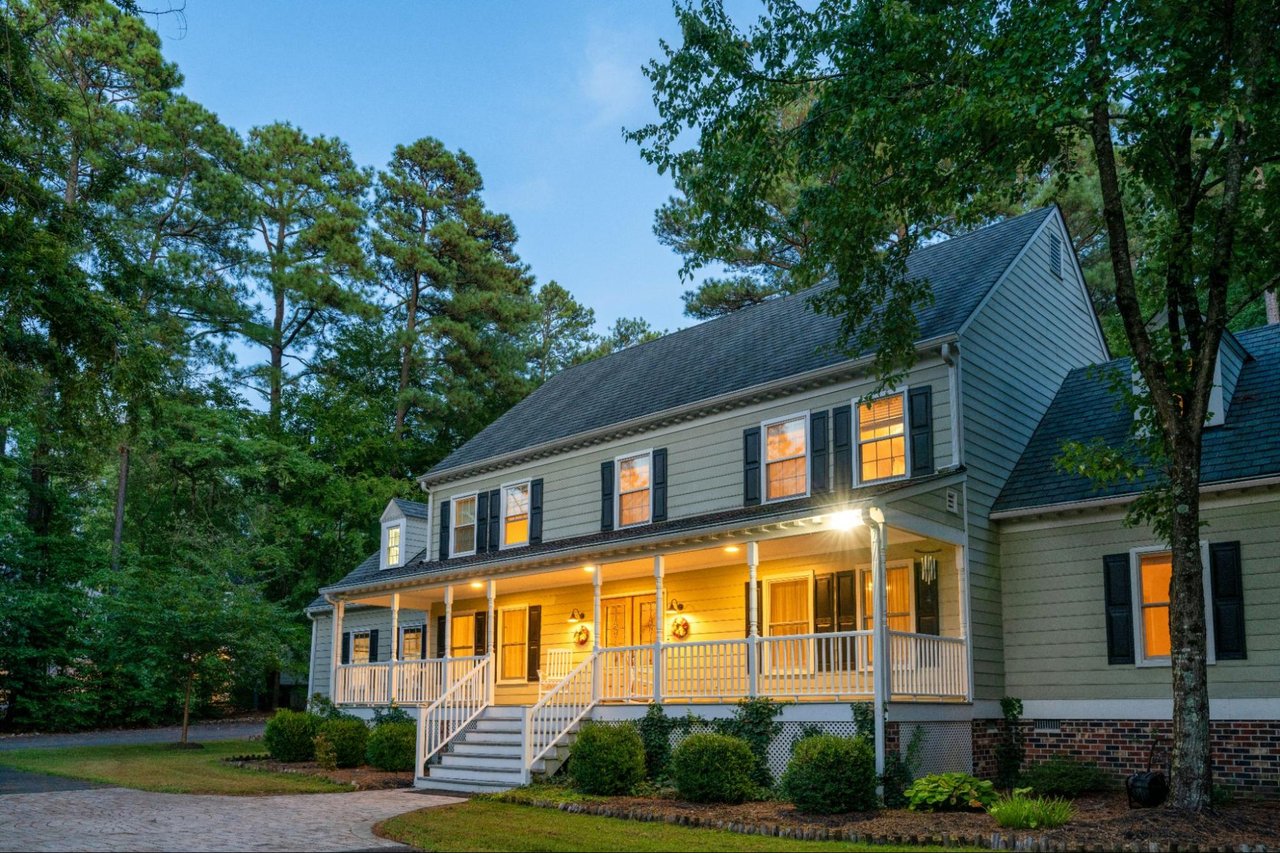
Relocating to Florida has become an increasingly popular choice for individuals and families leaving states like Texas, New York, and California. With no state income tax, year-round warm weather, diverse communities, and a strong real estate market, Florida offers a compelling lifestyle for those seeking new opportunities and a change of pace. For residents of Dallas, the move to the Sunshine State can bring exciting benefits—but it also requires thoughtful planning to make the transition seamless and successful.
Whether moving for work, retirement, or lifestyle reasons, those relocating to Florida will find a wide range of regions, home styles, and community features that differ significantly from those in North Texas. Understanding the nuances of Florida’s real estate market, local economies, and daily living will help newcomers establish roots more quickly and begin enjoying everything their new home has to offer.
Choosing the Right Region in Florida
One of the first steps in making the most of a move to Florida is selecting a region that aligns with your goals. Florida offers a highly varied landscape that includes major metropolitan areas, quiet coastal towns, rural inland communities, and everything in between.
South Florida areas like Miami, Fort Lauderdale, and Palm Beach appeal to those looking for vibrant nightlife, international culture, and access to major business hubs. Meanwhile, Central Florida—home to Orlando and surrounding communities—offers a family-friendly atmosphere, growing job markets in healthcare and tech, and proximity to major entertainment attractions.
For those prioritizing waterfront living and a quieter lifestyle, the Gulf Coast cities of Sarasota, Naples, and St. Petersburg are among the top choices. These areas combine upscale amenities with beautiful beaches and a slower pace of life. On the northern end of the state, cities like Jacksonville and Tallahassee offer affordability and a more seasonal climate. When relocating to Florida, it's essential to consider your professional needs, family dynamics, and personal preferences before settling on a location.
South Florida areas like Miami, Fort Lauderdale, and Palm Beach appeal to those looking for vibrant nightlife, international culture, and access to major business hubs. Meanwhile, Central Florida—home to Orlando and surrounding communities—offers a family-friendly atmosphere, growing job markets in healthcare and tech, and proximity to major entertainment attractions.
For those prioritizing waterfront living and a quieter lifestyle, the Gulf Coast cities of Sarasota, Naples, and St. Petersburg are among the top choices. These areas combine upscale amenities with beautiful beaches and a slower pace of life. On the northern end of the state, cities like Jacksonville and Tallahassee offer affordability and a more seasonal climate. When relocating to Florida, it's essential to consider your professional needs, family dynamics, and personal preferences before settling on a location.
Understand Florida’s Housing Market
Florida’s real estate market can differ significantly from that of Texas. While both states are known for their strong housing sectors and population growth, Florida’s coastal properties, seasonal demand, and hurricane exposure can influence pricing, insurance requirements, and construction styles.
Buyers coming from Dallas may find that Florida homes often feature architectural elements like stucco exteriors, tile roofs, and elevated foundations—especially in flood-prone areas. Homeowners insurance may also include specific windstorm or flood policies, which are often required depending on proximity to the coast. When relocating to Florida, it’s important to work with a local real estate professional who understands these regional differences and can help buyers navigate them.
Additionally, housing prices can vary widely depending on location. While some inland areas offer relatively affordable options, coastal communities and high-demand urban neighborhoods often command premium prices. Working with a knowledgeable agent is key to identifying homes that meet both lifestyle and budget expectations.
Buyers coming from Dallas may find that Florida homes often feature architectural elements like stucco exteriors, tile roofs, and elevated foundations—especially in flood-prone areas. Homeowners insurance may also include specific windstorm or flood policies, which are often required depending on proximity to the coast. When relocating to Florida, it’s important to work with a local real estate professional who understands these regional differences and can help buyers navigate them.
Additionally, housing prices can vary widely depending on location. While some inland areas offer relatively affordable options, coastal communities and high-demand urban neighborhoods often command premium prices. Working with a knowledgeable agent is key to identifying homes that meet both lifestyle and budget expectations.
Navigating the Logistics of Relocation
Moving from Dallas to Florida involves more than a change in scenery—it’s a logistical effort that requires coordination, organization, and timing. One of the best ways to reduce stress during the process is to begin planning early. This includes researching moving companies, transferring utilities, forwarding mail, and updating documentation such as driver's licenses and voter registration.
Those relocating to Florida with school-aged children should also research local school districts in advance. Florida offers a mix of public, charter, magnet, and private school options, and academic quality can vary by county. Many families moving from Texas are accustomed to large public school systems, so it’s important to understand how Florida’s district boundaries and enrollment procedures differ.
Healthcare is another important consideration. While both Texas and Florida have large networks of medical providers, insurance plans and coverage may change when crossing state lines. Ensuring that doctors, prescriptions, and facilities align with your needs before the move helps prevent disruptions to care.
Those relocating to Florida with school-aged children should also research local school districts in advance. Florida offers a mix of public, charter, magnet, and private school options, and academic quality can vary by county. Many families moving from Texas are accustomed to large public school systems, so it’s important to understand how Florida’s district boundaries and enrollment procedures differ.
Healthcare is another important consideration. While both Texas and Florida have large networks of medical providers, insurance plans and coverage may change when crossing state lines. Ensuring that doctors, prescriptions, and facilities align with your needs before the move helps prevent disruptions to care.
Embracing the Florida Lifestyle
Part of making the most of your move involves embracing the unique lifestyle Florida offers. Residents enjoy access to world-class beaches, outdoor recreation, and cultural events that make every season feel like a vacation. Boating, fishing, paddleboarding, and golfing are year-round activities, and Florida’s extensive state park system encourages exploration beyond the city limits.
New residents will also notice differences in seasonal rhythms. While Texas experiences four traditional seasons, Florida’s climate is divided into wet and dry periods, with summer months being more humid and rainy. In some coastal areas, the pace of life slows during the summer and picks up during the winter, when seasonal residents—known as “snowbirds”—arrive from colder states.
When relocating to Florida, it’s beneficial to get involved in the local community early. From neighborhood associations to fitness groups and volunteer organizations, finding a way to connect with others can ease the transition and help new residents feel more at home. Many areas also offer welcome events or community boards for newcomers, providing useful introductions and social opportunities.
New residents will also notice differences in seasonal rhythms. While Texas experiences four traditional seasons, Florida’s climate is divided into wet and dry periods, with summer months being more humid and rainy. In some coastal areas, the pace of life slows during the summer and picks up during the winter, when seasonal residents—known as “snowbirds”—arrive from colder states.
When relocating to Florida, it’s beneficial to get involved in the local community early. From neighborhood associations to fitness groups and volunteer organizations, finding a way to connect with others can ease the transition and help new residents feel more at home. Many areas also offer welcome events or community boards for newcomers, providing useful introductions and social opportunities.
Tax and Financial Considerations
One of the major financial benefits of relocating to Florida is the absence of a state income tax. This appeals to many Texas residents already accustomed to a similar tax structure. However, it’s important to review how this change affects your overall financial planning, especially for retirees or those with multiple income sources.
Property taxes in Florida are assessed at the county level and may differ from what buyers are used to in Texas. Florida also offers several homestead benefits, including the Homestead Exemption, which can reduce the taxable value of a primary residence and provide long-term savings. Understanding how to apply for these benefits after purchasing a home is an essential step in maximizing the financial advantages of the move.
Additionally, those who own businesses or manage investment properties will want to consult with a tax advisor familiar with Florida’s business regulations and tax codes to ensure smooth transitions and continued compliance.
Property taxes in Florida are assessed at the county level and may differ from what buyers are used to in Texas. Florida also offers several homestead benefits, including the Homestead Exemption, which can reduce the taxable value of a primary residence and provide long-term savings. Understanding how to apply for these benefits after purchasing a home is an essential step in maximizing the financial advantages of the move.
Additionally, those who own businesses or manage investment properties will want to consult with a tax advisor familiar with Florida’s business regulations and tax codes to ensure smooth transitions and continued compliance.
Make a Confident Move with Duncan Real Estate Co.
Relocating from Texas to Florida is an exciting step, but it’s one that benefits from expert guidance. From identifying the right neighborhood to managing the logistics of interstate relocation, having a trusted advisor simplifies the process and ensures a smooth transition. If you’re planning on relocating to Florida and want personalized assistance every step of the way, Duncan Real Estate Co. offers local knowledge, concierge-level service, and real estate expertise you can rely on. Reach out today to begin your move with confidence and clarity.