By Duncan Real Estate
Dallas, TX has one of the most diverse mixes of housing styles in North Texas—everything from pre-war cottages and mid-century ranch homes to contemporary new construction.
Because of that, one of the most common questions in the Dallas real estate market is deceptively simple: Does the age of a home increase or decrease its market value?
The truth is that home age affects value, but rarely in a direct, one-size-fits-all way. Buyers don’t pay for age alone—they pay for what age implies: condition, maintenance risk, layout, efficiency, and how a property compares to similar homes nearby.
When you decode those factors, you can better predict what the market will reward, how appraisers will view the home, and what pricing strategy is most likely to succeed.
Home age influences market value indirectly
A home’s build year matters because it shapes buyer expectations. Older homes often signal charm and established neighborhoods, but can also raise questions about repairs. Newer homes suggest modern layouts and less immediate maintenance, but may not have the lot size, location advantages, or architectural appeal buyers want.
In Dallas, home age tends to impact market value through:
- Condition and care history (deferred maintenance vs. well-maintained)
- System life expectancy (roof, HVAC, plumbing, electrical)
- Energy efficiency (insulation, windows, modern materials)
- Layout and functionality (open living, closet space, bathroom count)
- Neighborhood demand (location and proximity to amenities)
- Renovation quality (cosmetic vs. structural/mechanical upgrades)
This is why two homes built the same year can sell at very different price points: effective condition, usability, and buyer confidence drive the number.
Location often matters more than home age in Dallas, TX
In most Dallas neighborhoods, location is the anchor of value. An older home in a highly desirable pocket can outperform a newer home in a less established area, even if the newer property is larger or has newer finishes.
Buyers often pay premiums for location-driven benefits such as:
- commute convenience to major employment hubs
- access to shopping, dining, and everyday services
- neighborhood identity and long-term desirability
- tree canopy, streetscape, and community feel
- lot size and land value relative to the area
When neighborhood demand is strong, age becomes a smaller part of the value equation—especially when the property has been maintained and positioned well.
Why older homes can sell for a premium
Older Dallas homes can command strong market value when they offer scarce features that buyers can’t easily find in new construction.
These often include:
- character and craftsmanship that feels distinct from builder-grade finishes
- larger lots or more usable outdoor space
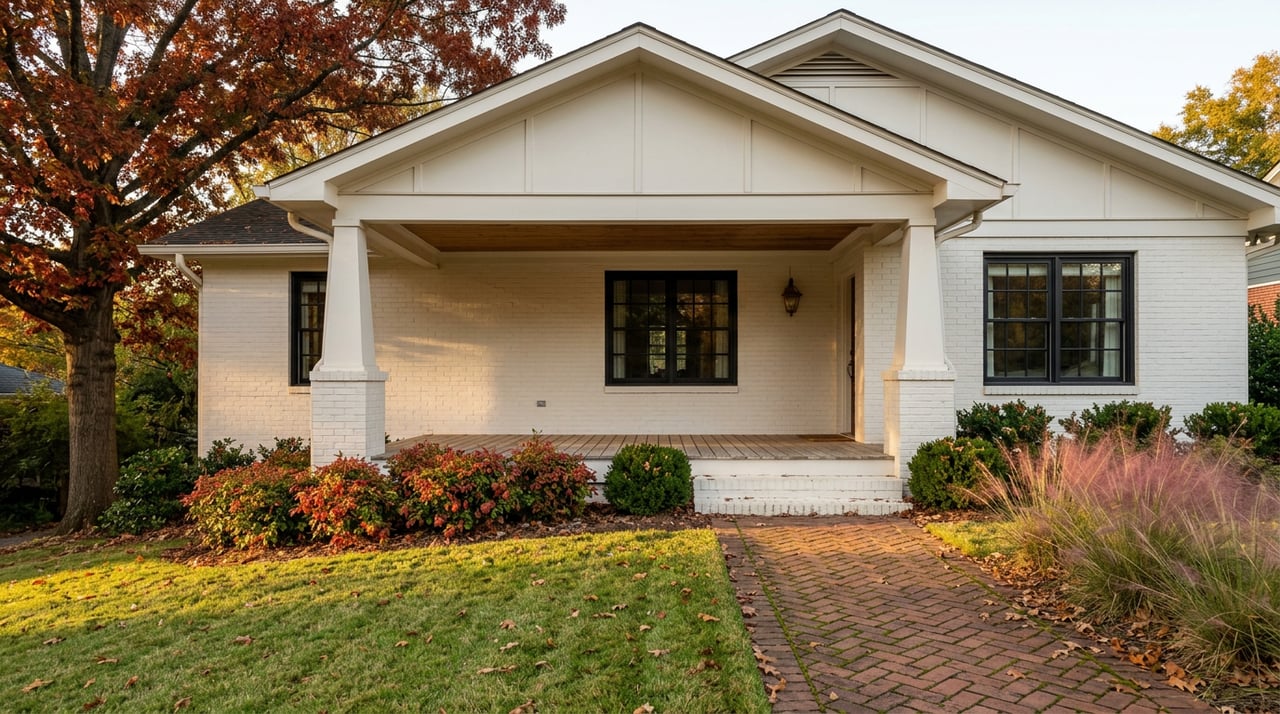
- mature trees and established landscaping
- architectural variety that stands out online and in-person
- renovations that preserve charm while modernizing function
In these cases, the market rewards scarcity and uniqueness. A well-presented older home can feel like a “best of both worlds” purchase: established neighborhood appeal with modern comfort.
When older homes lose value: uncertainty and deferred maintenance
Older homes typically struggle when buyers see unknowns that could become expensive. Even if a home is attractively priced, buyers may discount their offers if they anticipate major near-term replacements or hidden issues.
Value-reducing factors can include:
- aging roof, HVAC, or water heater with limited service history
- outdated electrical capacity or older panels
- plumbing materials that buyers perceive as risky
- foundation or drainage concerns (especially relevant in North Texas)
- partially completed updates that leave visible “next projects”
- layouts that feel closed off, dark, or functionally dated
The common thread is uncertainty. The more predictable and documented the home’s condition is, the more confidently buyers compete—and the stronger the final sale price tends to be.
Newer homes: why the market often rewards “move-in ready”
Newer homes tend to perform well because buyers value a lower perceived maintenance burden. In Dallas, newer construction often draws demand from buyers who prioritize convenience, predictable ownership costs, and modern design.
Newer homes may support stronger market value when they offer:
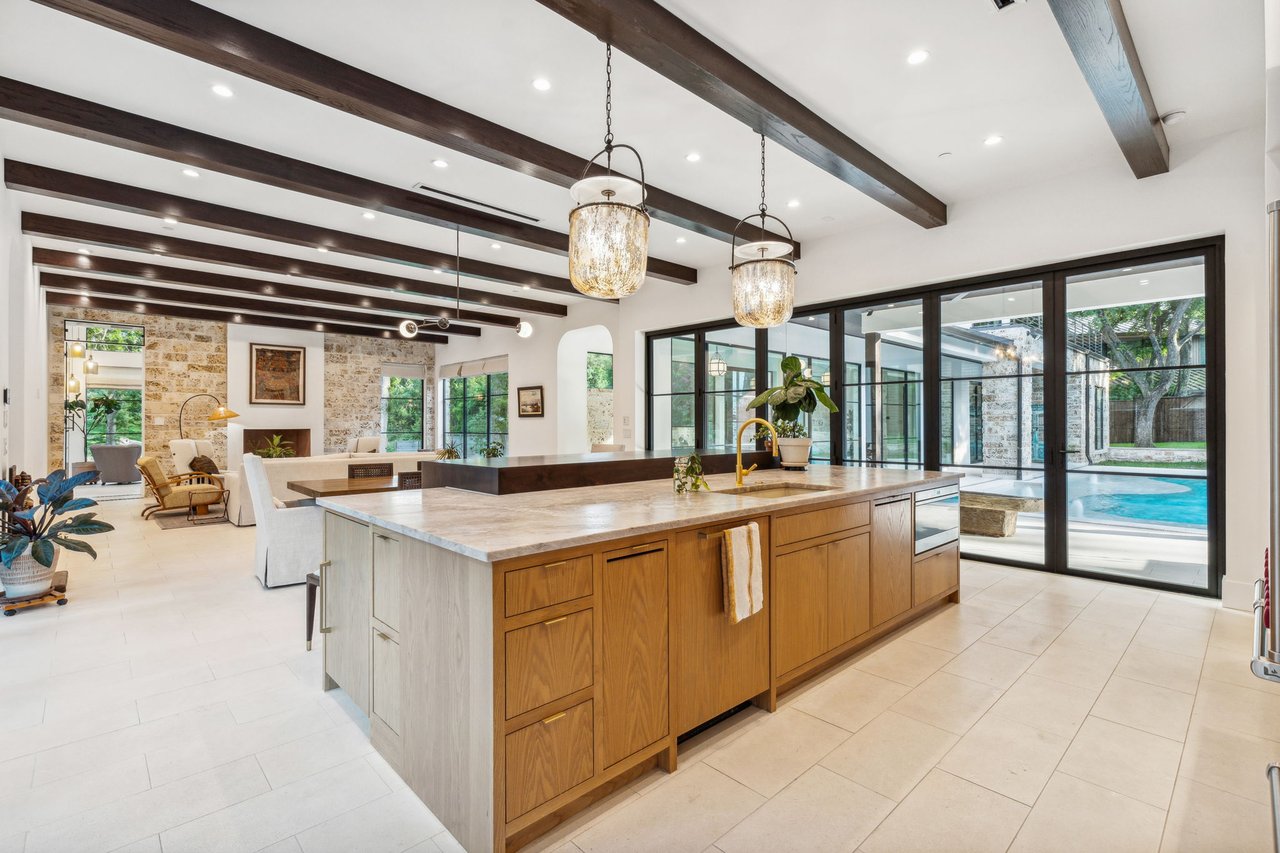
- open layouts and larger kitchens
- more bedrooms and bathrooms for today’s needs
- modern electrical and plumbing systems
- improved energy efficiency features
- fewer immediate repair expectations
However, “newer” doesn’t automatically mean “better value.” Build quality, materials, neighborhood maturity, HOA restrictions, and nearby future development can all affect long-term resale performance.
Effective age matters more than build year
In pricing conversations, “effective age” is often more useful than the year on the tax record. Effective age reflects how the home presents and performs today—based on updates, system condition, and functionality.
A 1970s home with updated mechanicals, modern windows, improved insulation, and renovated bathrooms may compete against newer homes because the buyer experience is similar. Meanwhile, a newer home with poorly executed finishes or deferred maintenance can lose value relative to its peers.
High-impact drivers of effective age include:
- roof condition and replacement timeline
- HVAC age, service records, and performance
- electrical panel capacity and wiring condition
- plumbing updates and material type
- window quality and insulation
- documented repairs and upgrades
If you’re trying to understand market value, effective age is often the better lens.
How appraisals treat home age in Dallas real estate
Appraisers base value primarily on comparable sales, not on age in isolation. Age is considered, but it’s filtered through what the market has proven buyers will pay for similar homes in the same area.
That’s why pricing a home correctly means selecting comps that match:
- neighborhood and micro-location
- square footage and lot size
- condition and renovation level
- layout and functional appeal
- current buyer demand in that segment
A reliable valuation rarely comes from comparing an older home to new construction outside the immediate competitive set. The most accurate pricing strategy is grounded in the properties your home truly competes against today.
Renovations and market value: what tends to matter most
Not every upgrade produces a dollar-for-dollar return. But the right improvements can increase demand and reduce buyer hesitation—often protecting value even when the “ROI” isn’t perfectly linear.
For Dallas sellers, the updates that most consistently support market value include:
- fresh, neutral interior paint and updated lighting
- flooring updates that feel cohesive throughout the home
- kitchen improvements that enhance function and cleanliness
- bathrooms that feel current, bright, and well-maintained
- roof, HVAC, and major system servicing with documentation
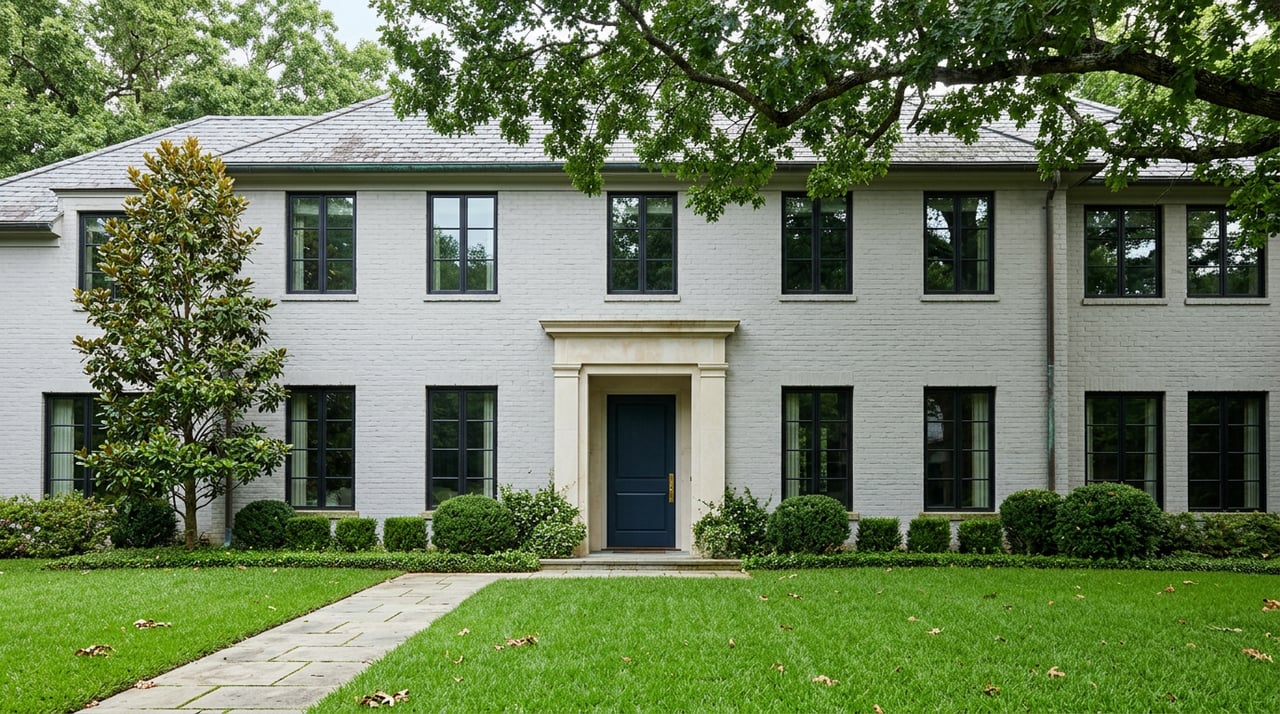
- exterior curb appeal work that signals good stewardship
The goal is simple: reduce perceived risk and make the home feel easy to own.
FAQ: Home Age and Market Value in Dallas, TX
Does an older home always appraise for less than a newer home?
Not necessarily. Appraisals are driven by comparable sales. An older home can appraise strongly if it’s in a high-demand area and compares well in condition, updates, and functional appeal.
What makes an older home more valuable in Dallas?
Location, lot value, architectural character, and a strong maintenance/upgrades profile. Updated systems and documented repairs often reduce buyer discounting and improve final sale price.
Do renovations increase market value more for older homes?
Often, yes—because they can dramatically improve effective age and buyer confidence. The highest-impact renovations are usually those that improve kitchens, bathrooms, mechanical systems, and overall presentation.
What should buyers watch for in older Dallas homes?
Major systems (roof, HVAC, plumbing, electrical), drainage and foundation performance, and the cost to modernize layouts or add bathrooms/closet space if needed.
Do newer homes always sell faster?
Not always. A well-located, well-presented older home can sell just as quickly—sometimes faster—if it offers scarce features like lot size, mature landscaping, or unique design that stands out in the neighborhood.
How can I estimate my home’s market value based on age?
The most accurate approach is to analyze neighborhood comps that match your home’s effective age, condition, and features. A local agent can identify the right competitive set and pricing strategy based on current market behavior.
The bottom line for Dallas, TX buyers and sellers
Home age affects market value in Dallas, but not because buyers automatically reward “old” or “new.” Value comes from how a home lives, how it performs, and how it compares to similar properties nearby. Older homes can command strong pricing when they offer character, location, and documented reliability. Newer homes often win on layout and perceived maintenance ease—but they still need strong presentation, quality, and competitive positioning.
If you want a neighborhood-specific pricing strategy—whether you’re buying, selling, or evaluating renovations—Duncan Real Estate can help you interpret local comps, understand buyer demand, and plan the best path to market.