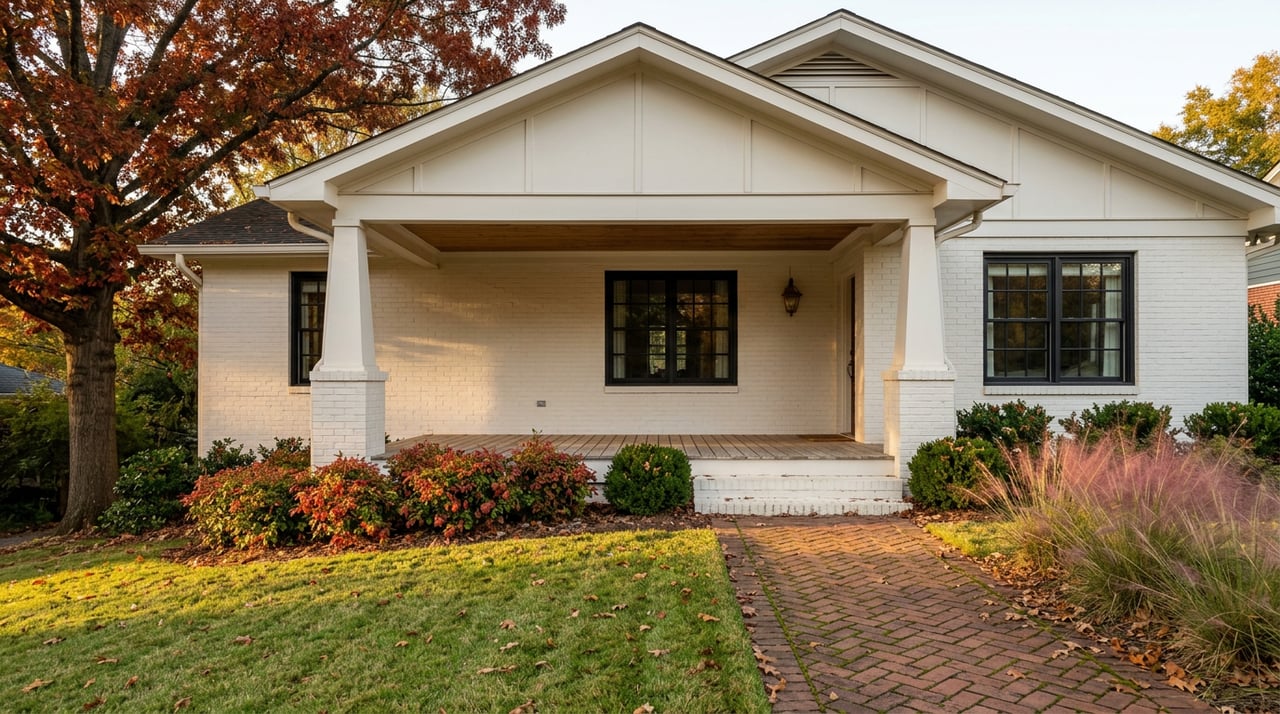
You are standing on the front walk of a house near Beverly Drive, about to walk in and see it for the first time, and the agent hands you a form before you reach the porch. Not after the tour. Before it. Sign here or the door stays closed. As of January 1, 2026, Texas law requires a written agreement between you and any agent before that agent can show you residential property, full representation or a short-term showing-only arrangement capped at 14 days. Either one satisfies the law. Most buyers find out about this requirement the first time it happens to them, standing on someone's front walk with a clipboard in their hands.
That moment is a small taste of a bigger problem in this market. Highland Park does not behave like the rest of Dallas real estate, and the reason shows up before you even get inside a house.
Three Sources, Three Very Different Numbers
Open three tabs and search Highland Park home prices, and you will get three different stories about the same 2.2 square miles.
| Source | What it measures | Figure | Time window |
|---|---|---|---|
| Redfin | Median sale price | $2.3 million | Trailing 3 months ending May 2026 |
| Zillow | Average home value | $2.8 million | As of June 30, 2026 |
| Movoto | Median sale price | $4.1 million | June 2026 |
Redfin's own figure shows a 32.2 percent year-over-year drop for that trailing three-month window. Zillow's average value is up 3.9 percent over the past year. Movoto's June median is nearly double Redfin's. None of these sources made an error. They are measuring the same tiny town at slightly different moments with slightly different math, and in a market this small, that is enough to produce numbers that look like they belong to three different neighborhoods.
A Town This Size Doesn't Generate Many Data Points
Highland Park is a town, not a subdivision. It runs its own police department, its own building department, its own everything, packed into 2.2 square miles. That geography puts a hard ceiling on how many homes can possibly sell in any given month, and the ceiling is low. Redfin logged 27 closed sales for all of May 2026. Earlier in the year, one monthly snapshot showed a median sale price of $2.685 million built from just seven closed transactions, with a 32-day average time on market and a 98.1 percent sale-to-list ratio.
Seven sales is not a market. It is a sample so small that one $6 million estate closing alongside one $1.6 million condo can swing the median by hundreds of thousands of dollars without anything in the underlying market actually changing. A bigger city absorbs those outliers into a rounding error. Highland Park cannot, because there simply are not enough transactions each month to smooth anything out.
What's Actually Changing Hands
The number swings even harder because the housing stock itself splits into genuinely different products being sold under the same address.
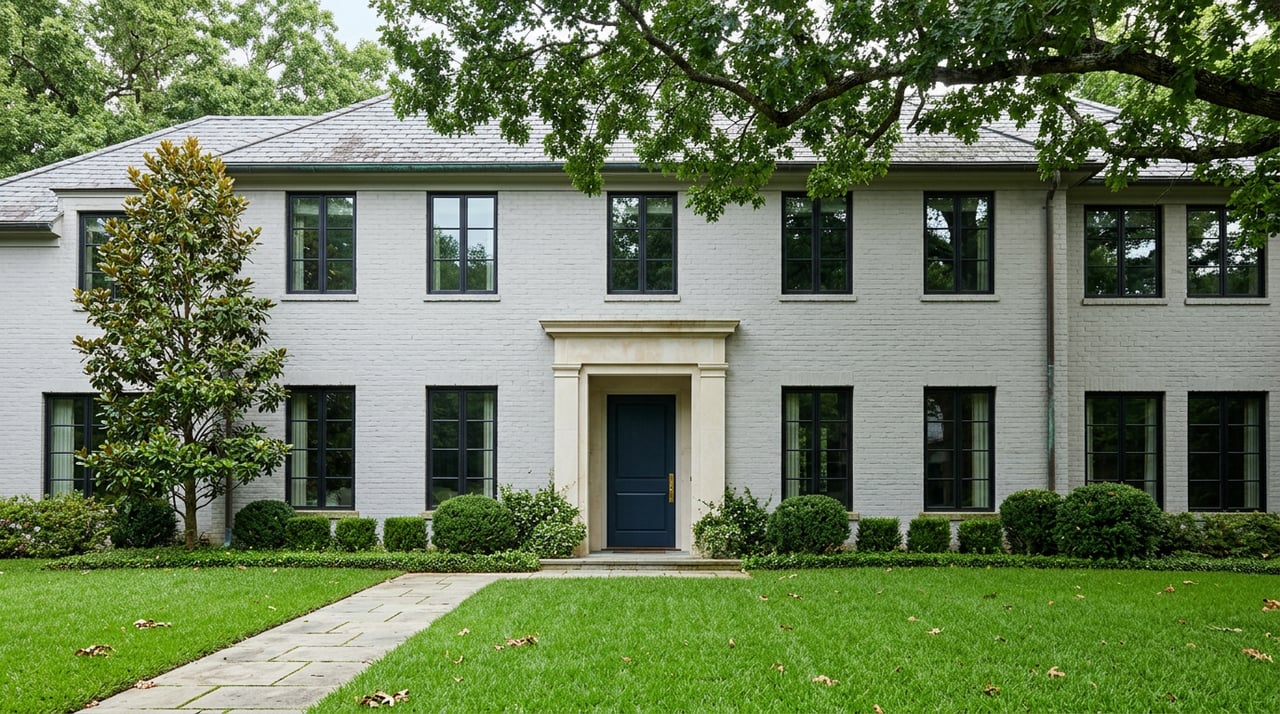
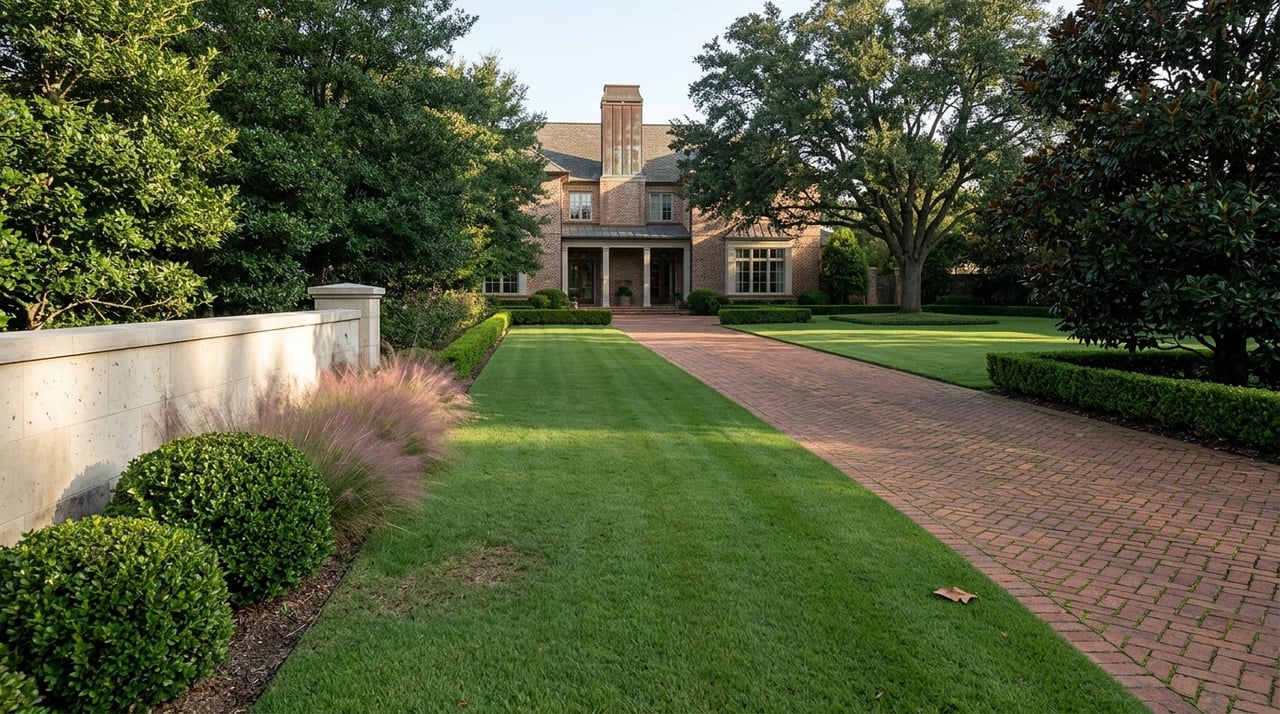
At one end sit the original Georgian and Tudor estates built in the 1920s through the 1940s, the houses that gave Beverly Drive and Lakeside Drive their reputation in the first place. A Beverly Drive Italianate mansion that returned to market in July 2026, built for a family with roots stretching back to a former Texas lieutenant governor, is the kind of property that still trades on architecture, provenance, and lot size rather than square-foot math.
At the other end sits an active tear-down and rebuild pipeline. Roughly 20 to 30 of these projects happen in Highland Park in a typical year. The pattern is consistent: buy an older home for the value of the land underneath it, often $1.5 million to $3 million for the lot alone, then spend 12 to 18 months and another few million building new. Total project costs for a 5,000 to 7,000 square foot custom home typically land between $3.5 million and $7 million or more, land included. Design work on these rebuilds tends to run through a small circle of firms with long track records in the Park Cities, names like Stocker Hoesterey Montenegro, Richard Drummond Davis, and Bodron+Fruit show up repeatedly on permit filings for exactly this reason.
An untouched 1930s house, a fully renovated original, and a brand-new 6,500-square-foot rebuild can all close in the same month, at wildly different price points, and get averaged together into one headline number. That number tells you almost nothing about where any single category of home is actually priced.
The Inventory You Never See
There is a second layer working against the public data, and it has nothing to do with sample size. A meaningful share of Highland Park's top end moves through brokerage networks quietly, never touching a public search site at all. The properties most likely to sell this way are the ones with the biggest price tags, which means the homes most capable of distorting a monthly median are also the ones least likely to show up consistently across every portal's dataset.
This is also why you will sometimes see a huge gap between what is listed and what is closing. Active listings can carry median asking prices well above what trailing closed sales show, not because sellers are wildly overpricing the market, but because the mix of homes currently for sale skews toward the top while the mix of homes that happened to close last quarter skewed toward the middle.
What to Check Instead of a Single Median
If the median is unreliable on its own, here is what actually holds up when you are trying to read this market honestly.
- Look at price per square foot within a single cohort, comparing renovated originals to renovated originals and rebuilds to rebuilds, not blending them together.
- Track sale-to-list ratio and days on market over two or three consecutive quarters rather than one month, since a single month can be built on a handful of closings.
- Ask specifically whether a comp you are being shown was a tear-down candidate, a full rebuild, or a preserved original. That distinction moves the number more than almost anything else.
- Understand that your first property tax bill will likely be recalculated based on your purchase price once the Dallas Central Appraisal District reassesses. Highland Park's tax rate itself is not unusually high next to its neighbors, but assessed values are, and that combination catches new owners off guard almost every year.
None of this requires distrust of any single source. It requires reading each number for what it actually measures instead of treating it as a verdict on the whole town.
A median price in a market this small isn't a forecast. It's a snapshot of whoever happened to close last month.
The Paperwork Comes Before the Walkthrough Now
Circle back to that clipboard on the front walk. In a market where a real share of inventory moves quietly through private networks before it ever reaches a public feed, having your representation sorted out before you hear about a house matters more here than almost anywhere else in Dallas. Under Texas Occupations Code 1101.563, you can sign a full representation agreement or a short, non-exclusive showing-only agreement that covers a single property or a brief window. Both satisfy the law. Neither locks you into anything longer than the terms you actually agree to, and every agreement has to spell out compensation in plain numbers rather than leaving it vague.
The practical upshot: decide who you are working with before the search gets serious, not while you are standing outside a house you already want to walk into.
A Few Direct Questions
Does a lower trailing median mean Highland Park prices are falling? Not on its own. A lower median in a market moving 7 to 30 homes a month is just as likely to reflect which price tier happened to trade as it is to reflect any real shift in value. Watch the trend across multiple quarters and within a single housing cohort before drawing that conclusion.
Why do tear-down rebuilds skew the numbers so much? Because they represent a completely different product, land value plus several million in new construction, trading in the same dataset as an untouched 1930s house a few blocks away. Blending the two into one median erases the story either one would tell on its own.
Do I need an agreement before I can even look at a house here? Yes, as of January 1, 2026, Texas law requires it, either a full representation agreement or a short-term showing-only agreement. Given how much of Highland Park's top-end inventory moves quietly, having that in place before a property surfaces is worth more here than in most markets.
Highland Park rewards buyers and sellers who read the data at the right resolution and understand what's actually sitting behind a headline price. If you are trying to make sense of a specific street, a specific cohort of home, or a specific number that doesn't match what you've read elsewhere, Duncan Real Estate Co can walk through the comps block by block and tell you what they actually mean.