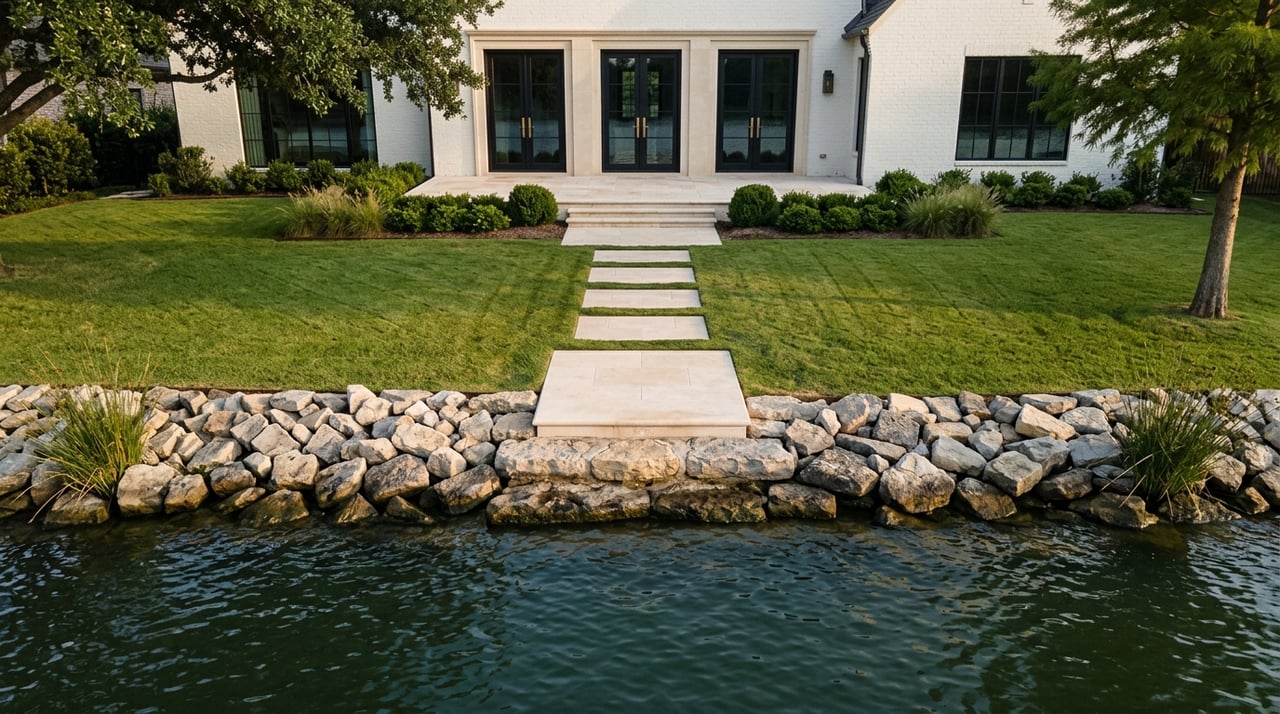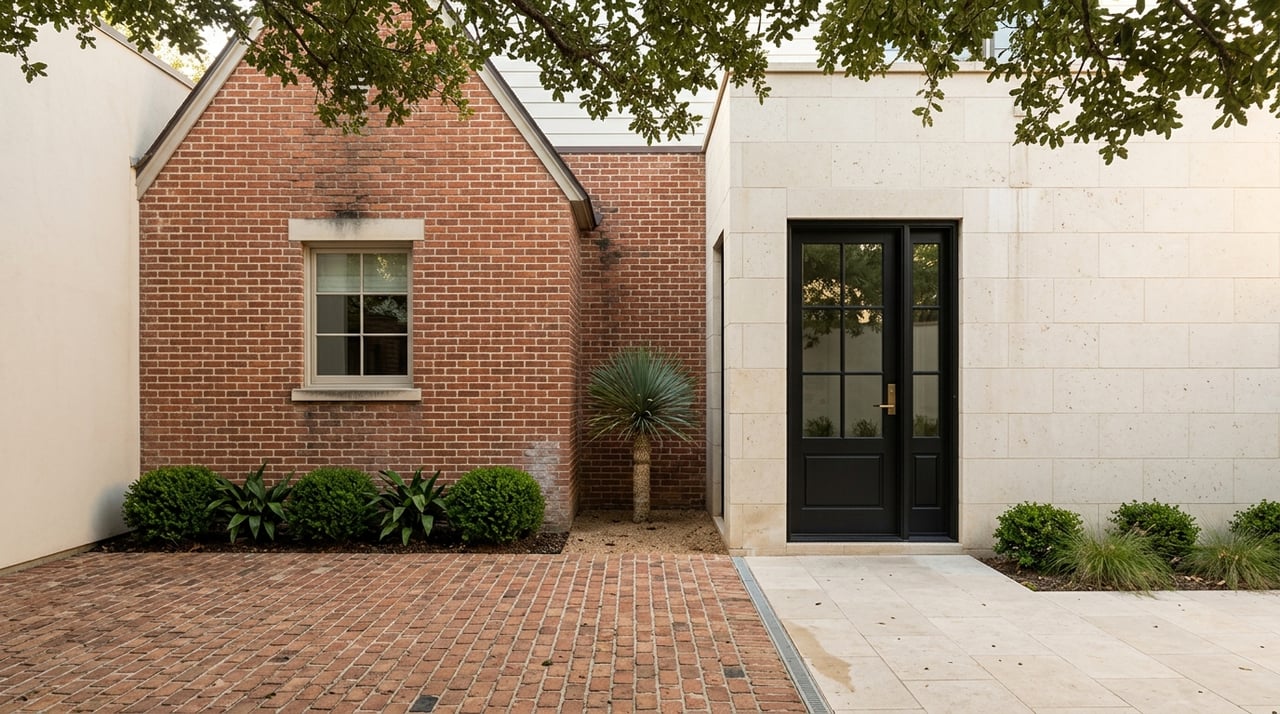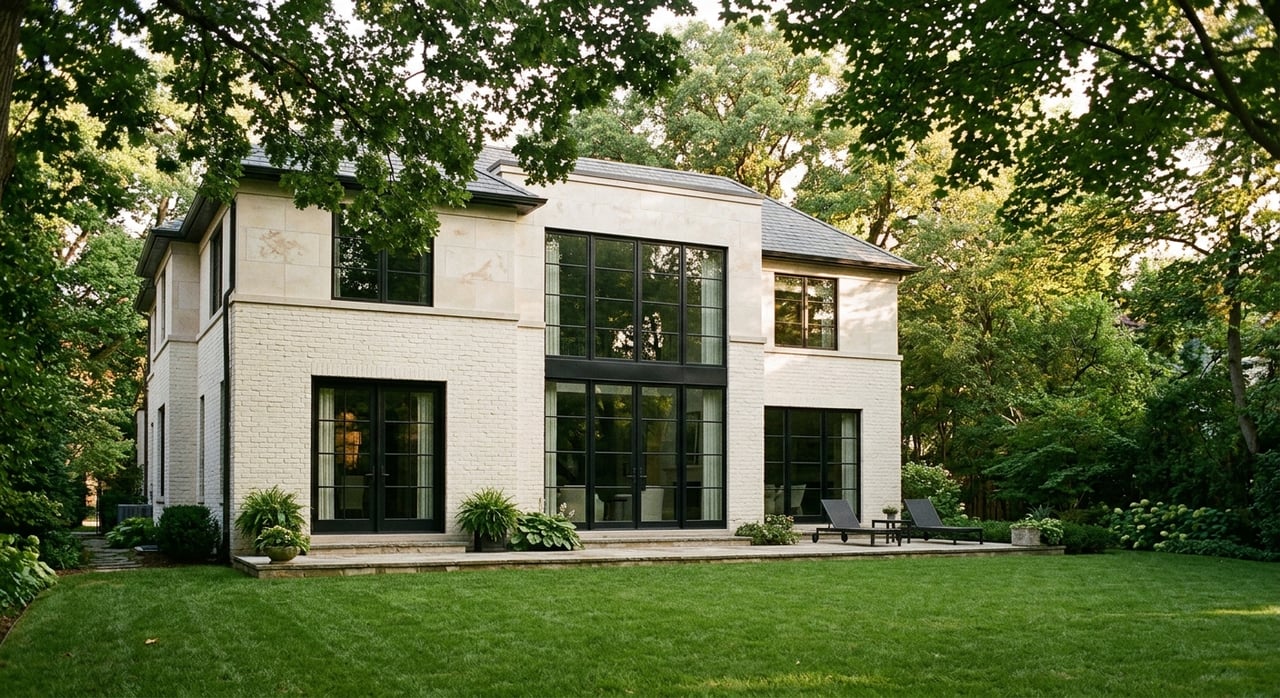
If you have ever looked at an older Preston Hollow home and wondered, am I buying the house or the land, you are asking the right question. In this part of North Dallas, that distinction can shape pricing, negotiations, renovation plans, and resale potential in a major way. When lot value starts carrying as much weight as the structure itself, you need a clear way to read the opportunity. Let’s dive in.
Why lot value stands out
Preston Hollow has long held a distinct place in North Dallas. Local reporting notes that Old Preston Hollow was incorporated in 1939 and annexed by Dallas in 1945, and City of Dallas planning materials continue to treat the area as a protected neighborhood context with estate-style residential character.
That history matters because established neighborhoods often create value that goes beyond the house sitting on the parcel today. In Preston Hollow, mature trees, winding streets, large lots, and long-term desirability can make the site itself a major part of the property’s worth.
Recent market data supports that high-value backdrop. Redfin reports a median sale price of $1,894,363 over the last three months ending May 2026, with homes selling after a median 40 days on market, a 96.8% sale-to-list ratio, and 36.4% of homes seeing price drops.
That combination tells you something important. Demand is strong, but buyers are still price aware, which means lot value needs to be understood strategically rather than assumed.
Why new builds influence pricing
Preston Hollow is not just a luxury resale market. It is also an active rebuild market, with local coverage describing an ongoing tear-down-and-rebuild cycle on some blocks, especially where older mid-century homes sit on desirable quarter-acre to half-acre sites.
Redfin currently shows 20 new homes for sale in Preston Hollow with a median listing price of $2 million. Examples range from about $3.4 million to $9.6 million, which shows that replacement homes can command substantial pricing when the lot, location, and finished product line up.
For buyers and sellers, this creates a different lens. An older home may not be judged only on its current finishes, floor plan, or condition. It may also be judged on what the parcel could support next.
Highest and best use matters
The basic appraisal idea behind lot-driven pricing is highest and best use. The Appraisal Institute explains that land in an improved property is valued based on its highest and best use, taking into account physical, legal, and locational attributes, along with market trends and new supply.
In practical terms, that means a Preston Hollow property may have value tied to its redevelopment potential, not just its existing improvements. If the home is dated and the lot is appealing, buyers may underwrite the purchase more like a future building site than a turnkey residence.
That does not mean every older home is a teardown. It means the market may sort homes into different buckets based on what makes the most sense for that specific parcel.
How buyers usually evaluate older homes
Buyers in Preston Hollow are often comparing three paths at once:
- Buy and live in the home largely as-is
- Buy and renovate the existing structure
- Buy and replace the home with a custom build
That comparison can quickly change what a buyer is willing to pay. A home with a usable layout and strong architectural appeal may support a renovation case, while a functionally dated house with a heavy scope of work may be priced more like land.
Because the market still shows meaningful days on market and price reductions, sellers cannot rely on a broad luxury label alone. Buyers are doing math, and the path that pencils best often shapes the offer.
What builders look at first
When a builder studies a Preston Hollow property, the first question is often not about countertops or paint. It is about the site envelope.
The City of Dallas says zoning governs land use, height, setbacks, lot size, density, lot coverage, and floor area ratio. The city also notes that setbacks can be affected by platted building lines or more restrictive setbacks within the same block.
That means two homes on nearby streets may not offer the same build potential, even if the lots look similar at first glance. A parcel’s redevelopment value depends on what can legally and physically be built there.
The City of Dallas also states that a residential permit is the official approval needed to start construction, renovation, or major repairs. For anyone considering a new build strategy, the permit path is part of the equation from day one.
Parcel details can change value
Before you assume a property is worth a premium because it sits on a large lot, it helps to verify the basics:
- Zoning district
- Required setbacks
- Platted building lines
- Lot size and coverage limits
- Height and FAR rules
- Site-specific construction constraints
These factors can affect building footprint, design flexibility, and overall project viability. In a rebuild market, that can directly affect what a buyer or builder is willing to pay.
How appraisers may see the property
In an active market like Preston Hollow, appraisers are not likely to treat every home as interchangeable. Dallas Central Appraisal District says each property in Dallas County is appraised at least once every three years, and more often in active markets.
DCAD also says value changes can result from sales information, equalization, or database corrections, and that valuation considers comparable sales, cost data, and neighborhood grouping. Property traits such as age, square footage, lot size, quality, and condition also affect value.
For Preston Hollow, that means an appraiser may compare a property against nearby renovated homes, newer construction, and, where relevant, site-driven or teardown-style sales. If lot size and redevelopment potential are a meaningful part of buyer behavior, that context can show up in the valuation picture.
When renovation makes sense
Not every older house should be sold for lot value alone. Renovation can make sense when the existing structure still offers enough architectural appeal, functionality, or layout strength to compete with newer options.
In Preston Hollow, that usually means the home can be updated to neighborhood expectations without pushing costs beyond the likely resale benefit. If the bones are strong and the finished product can stand up well against nearby inventory, renovation may preserve value while widening the buyer pool.
This is where disciplined pricing matters. Over-improving a house beyond what the market is likely to reward can be just as risky as under-preparing it.
When selling as-is may be smarter
If the renovation scope is broad, the floor plan is hard to modernize, or the buyer pool is likely to include builders and investors, selling as-is may be the cleaner strategy. In that case, the market may be placing more weight on the site than on the current home.
That approach can also reduce uncertainty for a seller. Instead of investing time and capital into a major update, you may position the property around what the parcel offers and let the next owner decide the future use.
The key is presentation and pricing. Selling as-is does not mean under-marketing the property. It means telling the right story about the opportunity.
When to market for the lot
Some Preston Hollow properties should be marketed primarily for their redevelopment potential. That tends to be most relevant when the site is the strongest part of the asset and current new-build activity supports the case.
The existing supply of new homes in Preston Hollow helps support that strategy in the right micro-location. If buyers are continuing to pay luxury prices for replacement product, then a well-positioned parcel may deserve to be evaluated through a lot-first lens.
That said, this is highly property specific. A large lot on a strong block may attract very different interest than an older home whose best use is still likely renovation.
A practical way to think about value
If you are buying or selling in Preston Hollow, it helps to think in terms of scenarios instead of one single number. A property may have one value as a move-in purchase, another as a renovation candidate, and another as a future custom build site.
Here is a simple framework:
| Scenario | Main value driver | Key question |
|---|---|---|
| Move-in home | Current condition and livability | Does the home compete well today? |
| Renovation project | Existing structure plus upgrade potential | Can updates create value without overspending? |
| New build site | Lot characteristics and build envelope | What can a buyer legally and practically build here? |
The most accurate pricing strategy usually comes from identifying which of these stories the market is most likely to believe.
Why strategy matters in Preston Hollow
Preston Hollow is established, desirable, and active, but it is not automatic. The current data shows strong values, yet also enough pricing pressure to remind sellers that buyers remain selective.
That is why lot value and new-build potential should be handled with care. If you price an older home purely as a luxury resale when the market sees it as a lot, you can miss the mark. If you market a home only as land when the structure still has real competitive appeal, you can leave opportunity on the table.
The right approach usually starts with local context, parcel-level review, and a realistic read on what buyers are comparing. In a neighborhood like Preston Hollow, those details often shape the outcome more than broad market headlines.
If you are weighing whether your Preston Hollow property should be renovated, sold as-is, or positioned for lot value, Duncan Real Estate Co can help you build a strategy around pricing, presentation, and neighborhood nuance.
FAQs
How is lot value different from home value in Preston Hollow?
- Lot value reflects what the land may support based on location, size, zoning, setbacks, and redevelopment potential, while home value reflects the current structure’s condition, layout, quality, and livability.
Why do new builds affect older home pricing in Preston Hollow?
- New builds can influence what buyers will pay for older properties because some buyers are comparing renovation costs and rebuild potential against the price of finished new construction in the same area.
What should Preston Hollow sellers check before pricing for lot value?
- Sellers should review zoning, setbacks, platted building lines, lot size, and any site-specific constraints because those factors can affect what a future buyer can build.
Can an older Preston Hollow home still be worth renovating?
- Yes, renovation may make sense when the existing house has enough architectural or functional appeal to compete after updates and when the projected cost aligns with likely resale expectations.
How do appraisers evaluate a property in a rebuild area like Preston Hollow?
- Appraisers may consider neighborhood grouping, lot size, age, condition, quality, comparable sales, and the market’s behavior around renovated homes, newer construction, and site-driven sales.
Is every older home in Preston Hollow a teardown candidate?
- No, each property should be evaluated on its own merits because some homes are better suited for renovation while others may derive more value from the lot and future build potential.