Purchasing a home is one of the most significant financial decisions many people will make in their lifetime. It’s a process that involves not only finding the perfect property but also ensuring that the investment is a sound one. One of the most important steps in this process is getting a home inspection before buying. A thorough inspection provides critical insight into the property’s condition, helps buyers make informed decisions, and can save thousands of dollars in unexpected repairs down the road.
Why Home Inspections Are Essential for Buyers
While a home may look flawless during a showing, there can often be hidden issues that aren’t immediately visible. From outdated electrical systems to roof damage and plumbing leaks, even well-maintained properties can have underlying problems. A professional home inspection uncovers these potential concerns, giving buyers a clearer picture of what they’re purchasing.
Getting a home inspection before buying allows buyers to approach negotiations with confidence. If significant issues are discovered, they can request repairs, negotiate the purchase price, or decide whether to proceed with the transaction. This transparency helps protect buyers from costly surprises after closing.
Getting a home inspection before buying allows buyers to approach negotiations with confidence. If significant issues are discovered, they can request repairs, negotiate the purchase price, or decide whether to proceed with the transaction. This transparency helps protect buyers from costly surprises after closing.
What a Home Inspection Covers
A standard home inspection is a comprehensive evaluation of the property’s major systems and structures. Inspectors typically examine the roof, foundation, electrical systems, plumbing, HVAC units, insulation, windows, and more. They look for signs of damage, safety hazards, and areas that may require maintenance or replacement in the near future.
The inspector will provide a detailed written report outlining their findings. This report often includes photos and recommendations for repairs or further specialized evaluations, such as structural engineers or pest inspections if issues are detected.
For buyers, this information is invaluable. It serves as a roadmap for understanding the true condition of the property and identifying potential costs that may arise after the purchase.
The inspector will provide a detailed written report outlining their findings. This report often includes photos and recommendations for repairs or further specialized evaluations, such as structural engineers or pest inspections if issues are detected.
For buyers, this information is invaluable. It serves as a roadmap for understanding the true condition of the property and identifying potential costs that may arise after the purchase.
Common Issues Uncovered During Inspections
Even newer homes can present unexpected challenges during inspections. Some of the most common issues found include:
- Roofing problems such as missing shingles, poor flashing, or leaks
- Electrical systems that are outdated or not up to code
- Plumbing leaks, corroded pipes, or water pressure concerns
- HVAC units nearing the end of their lifespan
- Insufficient insulation or ventilation
- Foundation cracks or uneven settling
- Drainage problems around the property’s exterior
Identifying these issues early gives buyers leverage during negotiations and allows them to make informed decisions about how to move forward.
The Role of the Home Inspection in the Buying Process
Home inspections typically take place after a buyer’s offer has been accepted but before the final closing. This timing allows buyers to use the results to renegotiate if necessary, while still maintaining the ability to walk away if serious problems are uncovered.
If the inspector’s report reveals significant issues, buyers may request that the seller make repairs, offer a credit at closing, or reduce the purchase price. Alternatively, if the problems are too extensive, buyers may decide not to proceed with the purchase. This contingency is a key part of protecting a buyer’s investment.
If the inspector’s report reveals significant issues, buyers may request that the seller make repairs, offer a credit at closing, or reduce the purchase price. Alternatively, if the problems are too extensive, buyers may decide not to proceed with the purchase. This contingency is a key part of protecting a buyer’s investment.
Choosing the Right Home Inspector
Selecting a qualified, experienced home inspector is crucial. Buyers should look for licensed professionals with solid reputations and positive reviews. It’s also helpful to review sample inspection reports to ensure they are detailed and easy to understand.
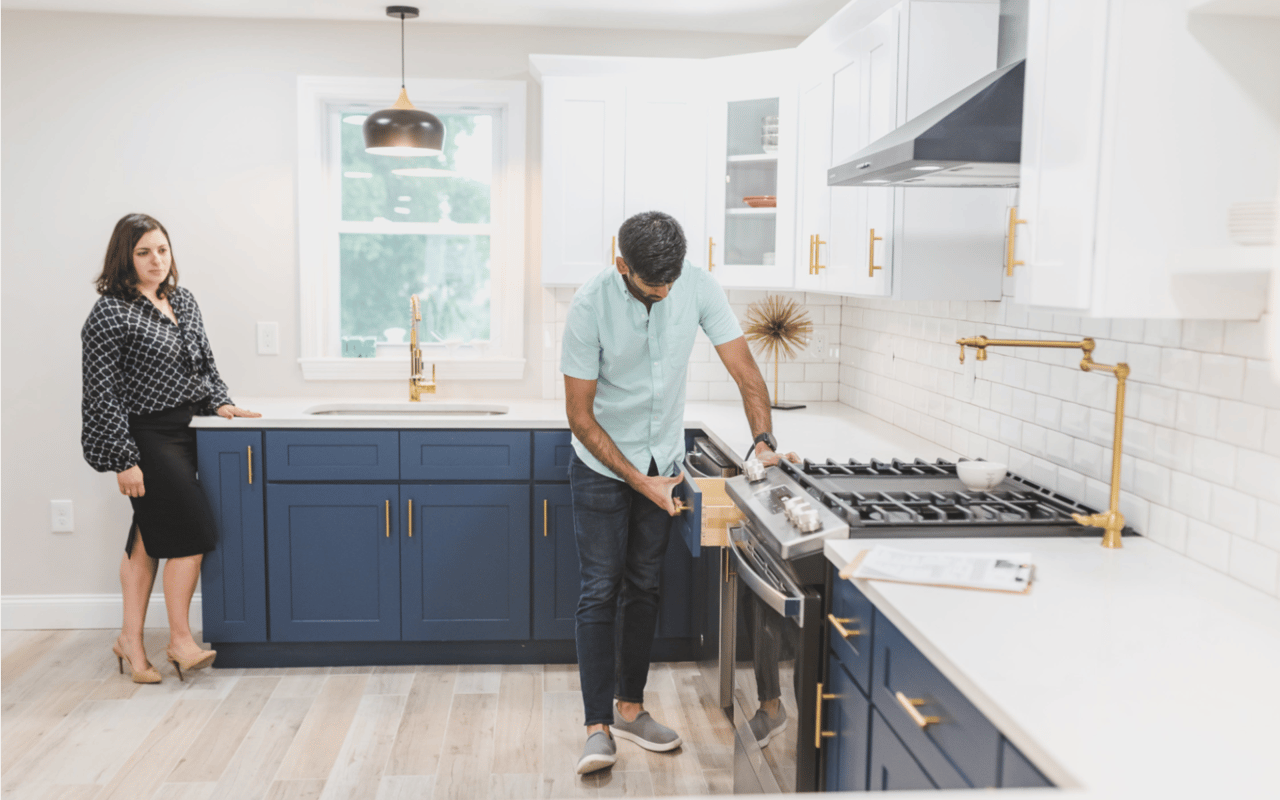
Whenever possible, buyers are encouraged to attend the inspection. Being present allows them to see potential issues firsthand, ask questions, and gain a deeper understanding of the property’s condition beyond what is written in the report.
Whenever possible, buyers are encouraged to attend the inspection. Being present allows them to see potential issues firsthand, ask questions, and gain a deeper understanding of the property’s condition beyond what is written in the report.
How to Prepare for a Home Inspection as a Buyer
Before the inspection, buyers should take time to make a list of any concerns they noticed during showings. Whether it’s a suspicious crack in the foundation, a dripping faucet, or an aging HVAC system, bringing these observations to the inspector’s attention ensures nothing is overlooked.
Buyers should also set aside adequate time to be present during the inspection. Most inspections take two to four hours, depending on the property’s size and condition. This is a valuable opportunity to gain knowledge about the home, learn about its maintenance needs, and better understand any potential repairs that may be required.
Buyers should also set aside adequate time to be present during the inspection. Most inspections take two to four hours, depending on the property’s size and condition. This is a valuable opportunity to gain knowledge about the home, learn about its maintenance needs, and better understand any potential repairs that may be required.
Understanding the Inspection Report
The inspection report can be lengthy, but not every finding should cause alarm. Many items listed may be minor maintenance issues or standard recommendations for upkeep. The key is to focus on significant structural or safety concerns, such as foundation problems, electrical hazards, or roof damage.
Buyers should review the report carefully, ideally with their real estate agent, to determine which issues warrant further negotiation or investigation. Having a clear understanding of the findings ensures buyers make well-informed decisions about their next steps.
Buyers should review the report carefully, ideally with their real estate agent, to determine which issues warrant further negotiation or investigation. Having a clear understanding of the findings ensures buyers make well-informed decisions about their next steps.
Negotiating Based on Inspection Findings
One of the greatest advantages of getting a home inspection before buying is the ability to use the results during negotiations. If the inspection uncovers issues, buyers can request that the seller address them prior to closing or offer financial concessions. For example, if the HVAC system requires replacement, the buyer may negotiate for a credit to offset that cost.
Sellers are not obligated to make every requested repair, so prioritizing major concerns is essential. Buyers should approach negotiations strategically, focusing on issues that significantly impact the property’s safety, livability, or long-term value.
Sellers are not obligated to make every requested repair, so prioritizing major concerns is essential. Buyers should approach negotiations strategically, focusing on issues that significantly impact the property’s safety, livability, or long-term value.
Ready to Buy?
Getting a home inspection before buying is a crucial step that empowers buyers to make confident, informed decisions. It offers protection against unforeseen costs, provides a clear picture of the property’s condition, and serves as a valuable tool during negotiations. By selecting a qualified inspector, attending the inspection, and thoroughly reviewing the report, buyers can move forward with their purchase knowing they’ve done their due diligence.
For buyers preparing to take the next step toward homeownership, professional guidance can make all the difference. Contact Duncan Real Estate Co. today for expert support throughout the buying process.
For buyers preparing to take the next step toward homeownership, professional guidance can make all the difference. Contact Duncan Real Estate Co. today for expert support throughout the buying process.