Selling a historic home in Kessler Park is not the same as selling a newer house across Dallas. Buyers in this part of 75208 often notice the details that give a home its identity, and the City of Dallas may have rules that affect what you can change before listing. If you want to protect value, avoid surprises, and launch with confidence, the right prep plan matters. Let’s dive in.
Start With Your Home’s Historic Status
Before you paint, replace windows, or touch the roofline, confirm exactly how your property is designated. Kessler Park includes both a National Register historic district and a City of Dallas conservation district, and those are not the same thing.
The National Register recognizes historic significance, but it does not by itself restrict private owners. The Dallas conservation district does matter for pre-sale prep because it adds local zoning and architectural rules for work in the area. In practical terms, that means your exterior updates should be guided by both buyer appeal and city requirements.
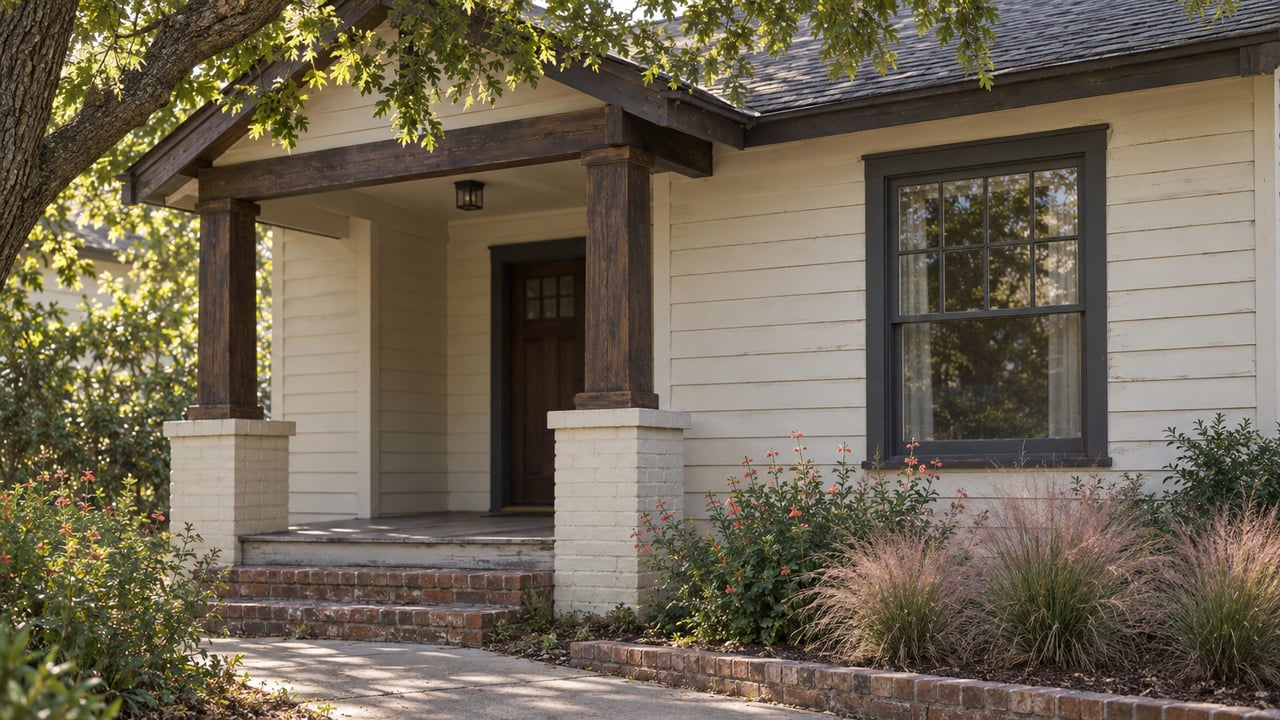
Kessler Park is known for Tudor Revival, Mission and Spanish Revival, and Bungalow and Craftsman homes, with key periods of significance from 1900 to 1949. That helps explain why original rooflines, masonry, windows, porches, and trim often carry more weight here than a generic modern refresh.
Know When Dallas Review May Apply
If you are planning exterior work, check whether your project needs city review before it begins. Dallas states that conservation district rules become part of zoning, and new work within the district must comply with those standards.
The city also notes a current plans review wait time of about 3 to 5 business days. That may sound manageable, but it can still affect your listing timeline if you wait until the last minute.
If your property is separately landmarked or sits in a landmark district, exterior work may require a Certificate of Appropriateness before work starts. Dallas also says a building permit cannot be issued until the signed certificate is provided to Building Inspection.
Exterior Projects That Need More Documentation
Kessler Park sellers should be especially careful with projects that change visible exterior features. Dallas’ work review checklist calls for added documentation for:
- Windows
- Doors
- Roofing
- Paint colors
- Fences
- Demolition
For example, window or door opening changes require dimensioned elevations and floor plans. Roofing submissions need the current and proposed material, plus brand and color. Paint submissions need a color chip, and fence work requires a survey or site plan.
Prioritize Repairs That Protect the Sale
Not every pre-listing project has the same value. In a historic home, it is easy to get pulled toward cosmetic upgrades, but the repairs that usually matter most are the ones that protect buyer confidence and help the transaction stay on track.
A pre-sale inspection is not required, but it can help you identify issues in the structure, roof, exterior, plumbing, electrical, HVAC, interiors, insulation, and fireplaces. It can also flag health-related concerns such as mold, lead paint, asbestos, or radon gas.
For most Kessler Park sellers, the highest-priority fixes are the practical ones. Think roof leaks, drainage problems, HVAC concerns, electrical safety issues, plumbing defects, and any exterior items that may need city review.
A Smart Repair Order
If you are deciding where to spend money before listing, this order usually makes the most sense:
- Fix safety and function issues first
- Address water intrusion or drainage next
- Resolve major mechanical concerns
- Tackle visible deferred maintenance
- Save purely cosmetic work for last
Even if you decide not to complete every repair, it is still wise to collect estimates for major items such as roofing, HVAC, or large appliance replacement. That gives you better information for pricing, disclosures, and negotiation.
Preserve Character Instead of Over-Updating
Historic buyers are rarely looking for a stripped-down, one-size-fits-all renovation. In Kessler Park, buyers are often drawn to the features that make the home feel rooted in its era.
When possible, preserve original windows, doors, porch details, masonry, and trim if they can be repaired. If a replacement is necessary, choose materials and profiles that match the original look as closely as possible.
This approach usually fits the neighborhood better than an overly contemporary exterior update. It also helps your home feel authentic, which is a major part of the appeal in a historic district.
Features Worth Highlighting
As you prepare your home for market, pay special attention to elements buyers may value most:
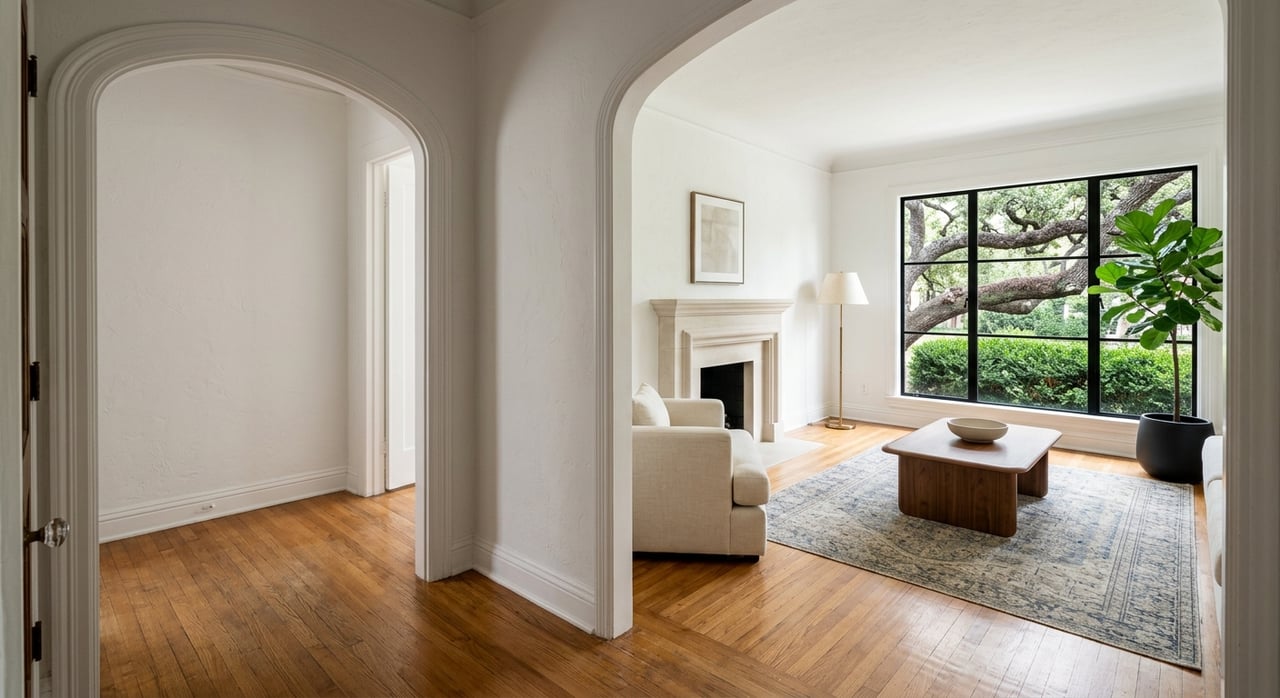
- Original hardwood floors
- Period millwork and trim
- Fireplaces
- Distinctive windows
- Porch spaces and views
- Masonry details
- Traditional rooflines
These are not just design features. In a home with architectural identity, they are part of the story buyers are paying for.
Stage for Today, Not Like a Museum
Staging works, but historic homes usually benefit from a lighter hand. According to NAR’s 2025 staging findings, 83% of buyers’ agents said staging makes it easier for buyers to picture a property as their future home, 29% said staging led to a 1% to 10% increase in dollar value offered, and 49% of sellers’ agents said staging reduced time on market.
For Kessler Park, the goal is not to make the home feel frozen in time. The goal is to help buyers appreciate the architecture while still seeing an easy, comfortable modern life in the space.
Best Staging Moves for a Historic Home
Keep your staging clean, restrained, and supportive of the architecture:
- Declutter every room
- Deep clean windows, walls, lighting, and floors
- Remove bulky furniture
- Use neutral paint where needed
- Keep closets about half full
- Refresh the front entry and landscaping
- Add small, simple decor accents
Let the house do the heavy lifting. Good staging should draw attention to natural light, room flow, fireplaces, millwork, and original materials rather than distract from them.
Make Curb Appeal Match the Home
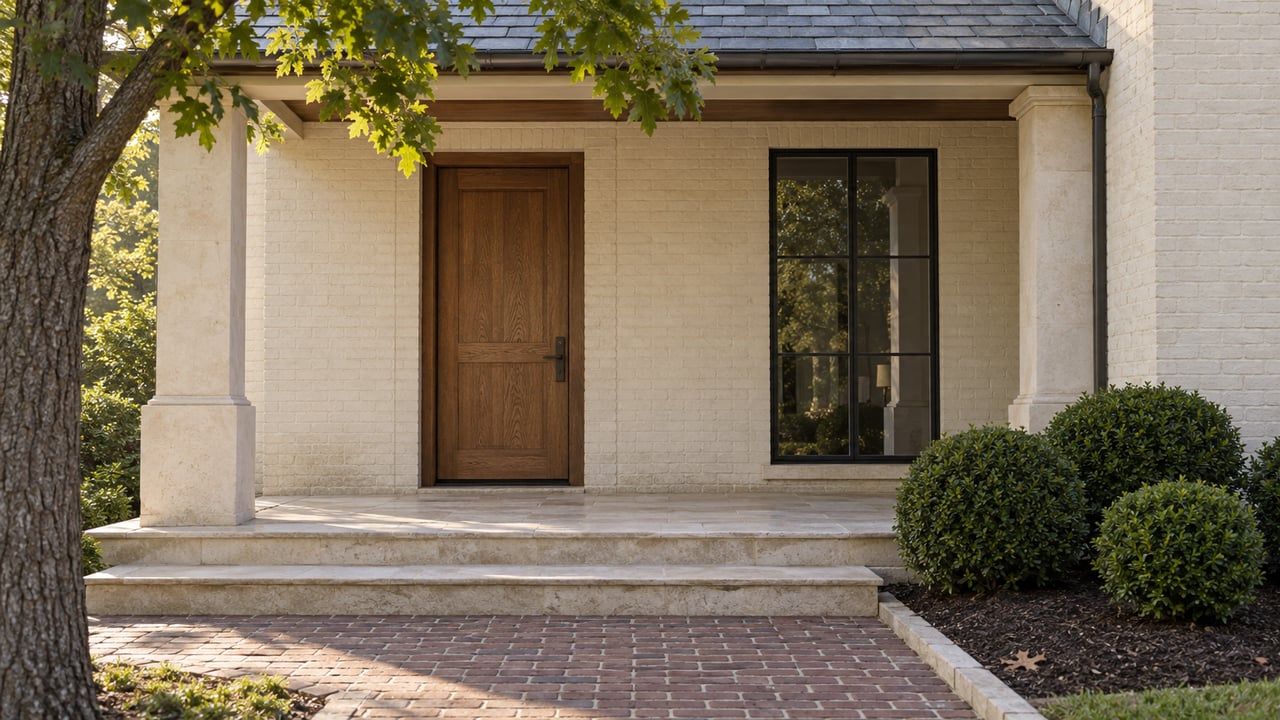
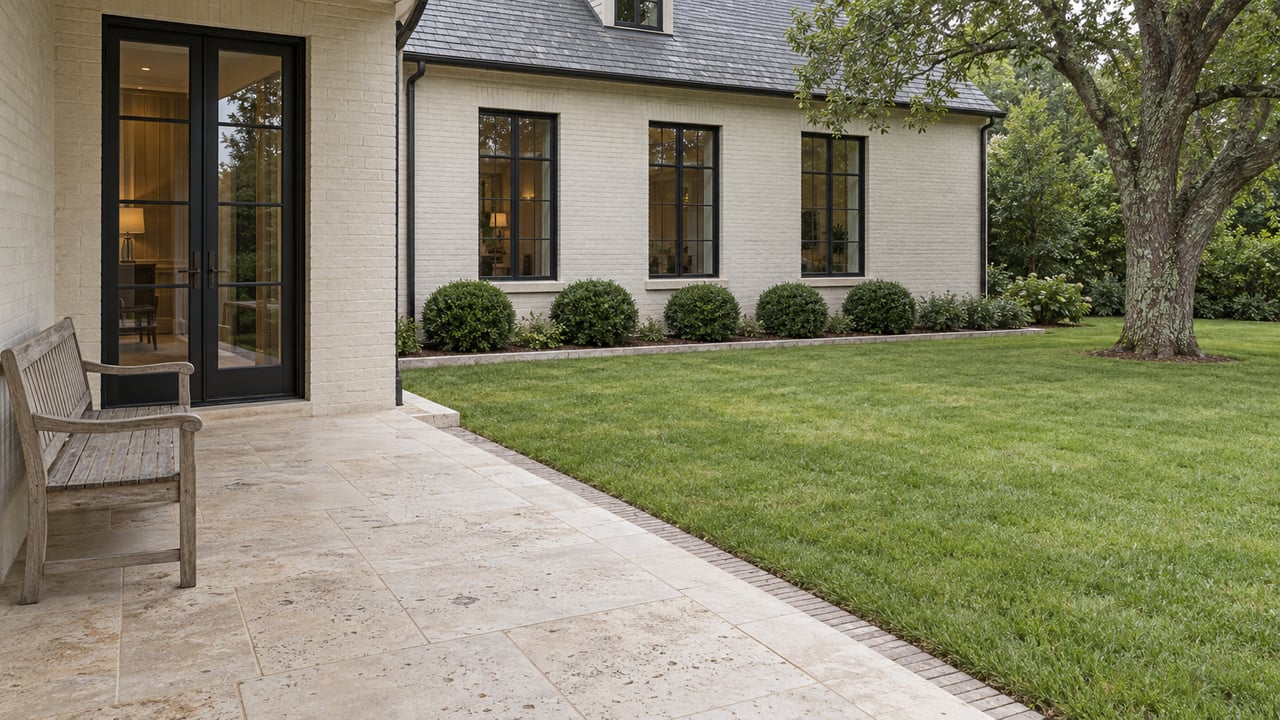
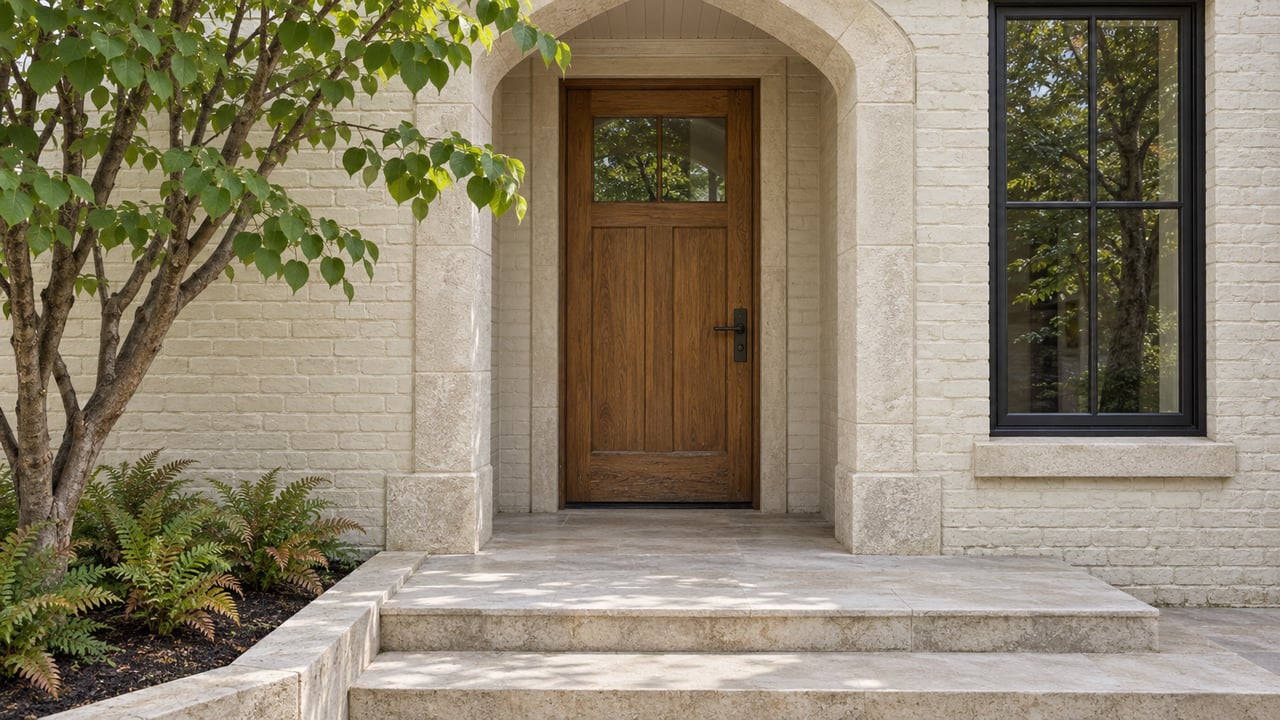
The front exterior often shapes a buyer’s first impression before they ever step inside. In Kessler Park, curb appeal is especially important because many homes have strong architectural personalities and mature lots.
Focus on neat, well-maintained presentation. Clean up landscaping, clear walkways, touch up approved paint where needed, and make sure the front entry feels cared for and welcoming.
If you are considering changes to windows, roof materials, paint, fencing, or other visible exterior elements, circle back to district rules before work begins. A rushed exterior update can create more problems than value.
Prepare Your Listing Media Carefully
Professional listing media matters just as much as in-person presentation. NAR reports that buyers’ agents rated photos as highly important at 73%, followed by videos at 48% and virtual tours at 43%.
That matters because many buyers will form an opinion of your home before they schedule a showing. Strong photography can help them understand the scale, light, and character that often set a historic property apart.
If you use virtual staging or edited images, any material alterations should be disclosed so buyers have a truthful picture of the property. Clean presentation and accurate marketing usually build more trust than dramatic edits.
Gather Documents Before You Launch
The smoother your file is at the start, the easier it is to answer buyer questions later. Historic homes often come with more details, more nuance, and more buyer curiosity than newer homes.
Before listing, gather:
- Warranties and guarantees
- Appliance and system manuals
- Receipts for completed repairs
- Prior permit records if available
- Any city review or approval documentation
- Estimates for major items not completed
This kind of preparation helps support disclosures, buyer confidence, and negotiation. It also signals that the home has been managed thoughtfully.
A Simple Pre-Listing Timeline
If you want a practical way to organize your prep, this sequence is a strong starting point.
Week 1: Confirm Rules and Records
Verify your property’s exact designation and review prior permits or project history. If you are considering exterior work, determine whether city review applies before scheduling contractors.
Week 2: Inspect and Price Repairs
Order a pre-sale inspection and gather estimates for roofing, HVAC, plumbing, electrical, drainage, and any health-related concerns. This gives you a clear picture of what to fix, what to disclose, and what to price around.
Weeks 3 and 4: Complete Work and Stage
Finish approved repairs first, then move into deep cleaning, decluttering, staging, and photography. Keep the presentation polished but natural so the home feels elevated without losing its personality.
Before Listing: Finalize the File
Assemble manuals, warranties, receipts, and any city documentation before launch. A complete file can make your listing feel more credible and reduce friction once offers start coming in.
Why Strategy Matters in 75208
The 75208 market is not moving at one uniform pace. Public market trackers show different pricing and timing patterns across the ZIP code, which means sellers should avoid broad assumptions.
Recent public data showed 191 homes for sale in 75208, with median list prices in the low-to-mid $500,000s and market timing ranging from roughly 26 days to pending to 35 days on market depending on the source. East Kessler Park showed a much higher median sale price in one recent month, but that data point came from just one sale, so it is better treated as directional than definitive.
That variation is one more reason historic sellers benefit from a thoughtful launch. In a neighborhood where architecture, condition, and presentation can strongly affect buyer response, prep and positioning are not small details. They are part of the pricing strategy.
Selling a historic Kessler Park home usually goes best when you verify district requirements first, handle functional issues next, preserve original character where possible, and stage with restraint. With the right planning, your home can feel both well-cared-for and true to itself, which is exactly what many buyers hope to find in this part of Dallas.
If you are preparing to sell a historic home in Kessler Park, Duncan Real Estate Co brings hands-on guidance, historic-home perspective, and a concierge-style listing approach built for thoughtful launches.
FAQs
What should you fix first before selling a historic Kessler Park home?
- Start with roof leaks, drainage, HVAC issues, plumbing problems, electrical safety concerns, and other defects that affect buyer confidence or closing speed.
Does a Kessler Park home in Dallas need approval for exterior work before listing?
- Some exterior work may need city review because Kessler Park includes a Dallas conservation district, and separately landmarked properties may require a Certificate of Appropriateness before exterior work begins.
Should you replace original windows before selling a historic home in 75208?
- If the windows are repairable, preserving them is often the better strategy for historic character; if replacement is necessary, matching the original look is usually the better fit for the home.
Is staging worth it for a historic Dallas home?
- Yes, staging can help buyers picture themselves in the home, and the most effective approach is usually light, neutral, and focused on highlighting the architecture rather than competing with it.
What documents should you gather before listing a historic home in Kessler Park?
- Collect warranties, manuals, repair receipts, permit records if available, and any city review or approval paperwork so you are better prepared for buyer questions and closing.