Selling a home is a major decision that involves numerous steps to ensure a smooth and successful transaction. One of the most critical — and often underestimated — steps is arranging for a professional home inspection before listing the property. A thorough inspection not only gives sellers a clearer picture of their home’s condition but also helps avoid surprises during negotiations and builds trust with potential buyers.
Why a Pre-Sale Home Inspection Matters
When preparing to sell, many homeowners focus on cosmetic updates such as fresh paint or landscaping. While these improvements are valuable, understanding the structural and mechanical health of the property is even more important. A pre-sale home inspection provides a detailed evaluation of the home’s major systems and components, including the roof, foundation, plumbing, electrical, and HVAC systems.
By identifying issues early, sellers have the opportunity to address problems before the property hits the market. This proactive approach can lead to smoother negotiations and fewer delays once the home is under contract.
What to Expect During the Inspection
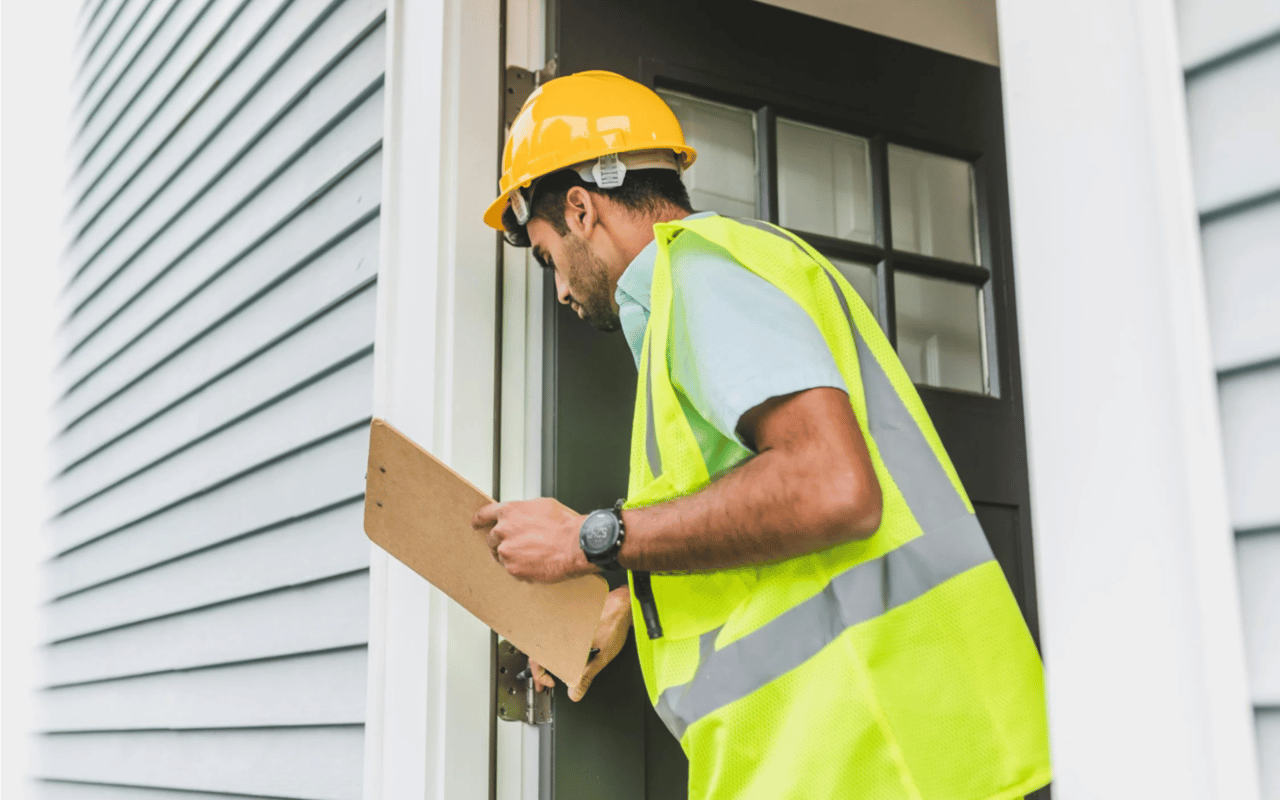
A professional inspector typically conducts a thorough evaluation of both the interior and exterior of the property. This includes examining the roof for signs of wear, checking for foundation cracks, testing electrical outlets and switches, inspecting plumbing fixtures for leaks, and assessing the functionality of heating and cooling systems.
The inspection generally takes a few hours, depending on the size and condition of the home. Afterward, the inspector provides a detailed written report outlining their findings, complete with photos and recommendations for repairs or further evaluations if needed.
For sellers, this report serves as an invaluable tool. It highlights areas that may need attention and offers insight into how the property might be perceived by buyers once it is listed.
The inspection generally takes a few hours, depending on the size and condition of the home. Afterward, the inspector provides a detailed written report outlining their findings, complete with photos and recommendations for repairs or further evaluations if needed.
For sellers, this report serves as an invaluable tool. It highlights areas that may need attention and offers insight into how the property might be perceived by buyers once it is listed.
Common Issues That Inspections Reveal
Even well-maintained homes can have underlying problems that go unnoticed by homeowners. Common issues that arise during inspections include:
- Roofing defects such as missing shingles, flashing problems, or signs of water intrusion
- Outdated or improperly wired electrical systems
- Plumbing leaks, slow drains, or water pressure concerns
- Foundation cracks or uneven settling
- HVAC systems that require servicing or replacement
- Insufficient insulation or ventilation in attics and crawl spaces
Addressing these problems in advance can make the home more appealing to buyers and reduce the likelihood of last-minute renegotiations or deal cancellations.
The Benefits of Getting a Home Inspection Before Listing
Building Buyer Confidence: When a seller provides a recent inspection report, it demonstrates transparency and gives buyers peace of mind that the home has been well cared for. This can make a property stand out in a competitive market.
Reducing Surprises: If the buyer’s inspection uncovers major issues, it can lead to unexpected repair requests, price reductions, or even a terminated contract. By getting a home inspection ahead of time, sellers can resolve potential problems early, reducing the risk of unwelcome surprises later.
Streamlining Negotiations: A pre-listing inspection can help sellers price the home accurately and decide whether to make repairs or adjust the listing price accordingly. This clarity can lead to faster and more efficient negotiations once offers start coming in.
Saving Time and Money: Taking care of necessary repairs in advance often allows sellers to shop around for contractors and complete work on their own timeline, rather than rushing through repairs during a hectic closing period.
Reducing Surprises: If the buyer’s inspection uncovers major issues, it can lead to unexpected repair requests, price reductions, or even a terminated contract. By getting a home inspection ahead of time, sellers can resolve potential problems early, reducing the risk of unwelcome surprises later.
Streamlining Negotiations: A pre-listing inspection can help sellers price the home accurately and decide whether to make repairs or adjust the listing price accordingly. This clarity can lead to faster and more efficient negotiations once offers start coming in.
Saving Time and Money: Taking care of necessary repairs in advance often allows sellers to shop around for contractors and complete work on their own timeline, rather than rushing through repairs during a hectic closing period.
Deciding Whether to Make Repairs
Once the inspection is complete, sellers must decide which issues to address. Not all findings require immediate action; some may be minor cosmetic items or routine maintenance that buyers can handle after closing.
However, significant structural or safety concerns — such as foundation problems, electrical hazards, or roof leaks — should typically be addressed before listing. Tackling these repairs upfront can prevent them from becoming sticking points during buyer negotiations.
In some cases, sellers may choose to disclose the findings and offer a credit toward repairs instead of completing the work themselves. This approach can appeal to buyers who prefer to oversee improvements to their own standards.
However, significant structural or safety concerns — such as foundation problems, electrical hazards, or roof leaks — should typically be addressed before listing. Tackling these repairs upfront can prevent them from becoming sticking points during buyer negotiations.
In some cases, sellers may choose to disclose the findings and offer a credit toward repairs instead of completing the work themselves. This approach can appeal to buyers who prefer to oversee improvements to their own standards.
How to Choose a Qualified Inspector
Selecting the right home inspector is just as important as the inspection itself. Sellers should look for licensed professionals with strong reputations and experience in residential property inspections. Reading online reviews, asking for recommendations, and reviewing sample reports can help ensure the inspector provides clear, thorough, and professional evaluations.
It’s also wise to choose an inspector who encourages sellers to attend the inspection. Being present allows sellers to see issues firsthand, ask questions, and better understand the inspector’s recommendations.
It’s also wise to choose an inspector who encourages sellers to attend the inspection. Being present allows sellers to see issues firsthand, ask questions, and better understand the inspector’s recommendations.
When to Schedule the Inspection
The ideal time for getting a home inspection is before officially listing the property. This gives sellers ample time to review the findings, make necessary repairs, and gather estimates if major work is needed.
Scheduling the inspection early can also give the seller’s real estate agent a valuable roadmap for positioning the home in the market. For example, if certain updates are completed after the inspection, those improvements can be highlighted in the listing description or during showings.
Scheduling the inspection early can also give the seller’s real estate agent a valuable roadmap for positioning the home in the market. For example, if certain updates are completed after the inspection, those improvements can be highlighted in the listing description or during showings.
Using the Inspection as a Marketing Tool
A clean inspection report can be a powerful selling point. Sharing the report with prospective buyers shows that the home has been evaluated by a professional and that the seller is being transparent about the property’s condition. In some markets, this can even give sellers a competitive edge, helping their home sell more quickly and with fewer contingencies.
Additionally, if repairs or upgrades were made as a result of the inspection, sellers can highlight these improvements to demonstrate that the property has been well maintained and thoughtfully prepared for sale.
Additionally, if repairs or upgrades were made as a result of the inspection, sellers can highlight these improvements to demonstrate that the property has been well maintained and thoughtfully prepared for sale.
Ready to Sell Your Home?
Getting a home inspection before selling is a strategic step that can save time, reduce stress, and ultimately increase the likelihood of a successful sale. By understanding the home’s condition early on, sellers can make informed decisions, avoid surprises during the transaction process, and position their property more favorably in the eyes of potential buyers.
For homeowners considering listing their property, reaching out to a trusted real estate professional can provide valuable guidance on how best to leverage the inspection process to achieve a smooth and profitable sale.
Contact Duncan Real Estate Co. today to learn more about how to prepare your home for the market and make the most of your sale.
For homeowners considering listing their property, reaching out to a trusted real estate professional can provide valuable guidance on how best to leverage the inspection process to achieve a smooth and profitable sale.
Contact Duncan Real Estate Co. today to learn more about how to prepare your home for the market and make the most of your sale.