If you have ever driven through Kessler Park and wondered why one block feels like a storybook and the next feels clean-lined and open, you are noticing one of the neighborhood’s biggest strengths. Kessler Park is not defined by just one look, and that is part of what makes buying or selling here so nuanced. When you understand the architectural styles that shape these homes, you can better read value, character, and what daily living may feel like inside. Let’s dive in.
Why Kessler Park Feels So Distinct
Kessler Park is best understood as a layered neighborhood, not a single-style development. According to the Texas Historical Commission, the historic core includes strong examples of Tudor Revival, Mission or Spanish Revival, and Bungalow or Craftsman homes.
That architectural mix makes sense when you look at the area’s development history. Kessler Neighbors United describes the broader Kessler Park area as 10 separate developments built between 1923 and 1979, which helps explain why the neighborhood shifts from revival-era homes to postwar ranch, mid-century modern, and contemporary designs.
For you as a buyer or seller, that means style is more than curb appeal. It shapes how a home sits on the lot, how rooms flow, how light enters the space, and how buyers respond before they even walk through the front door.
Tudor Revival Homes in Kessler Park
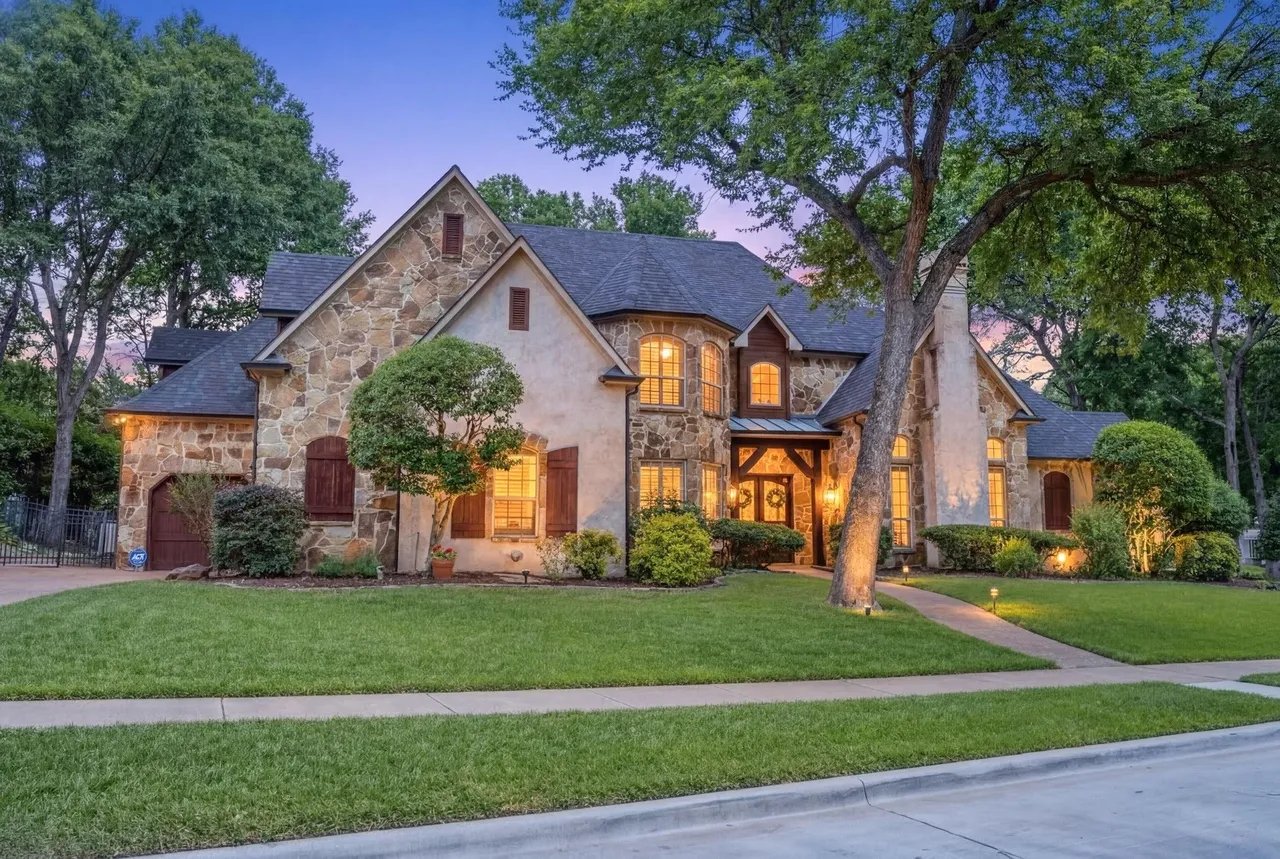
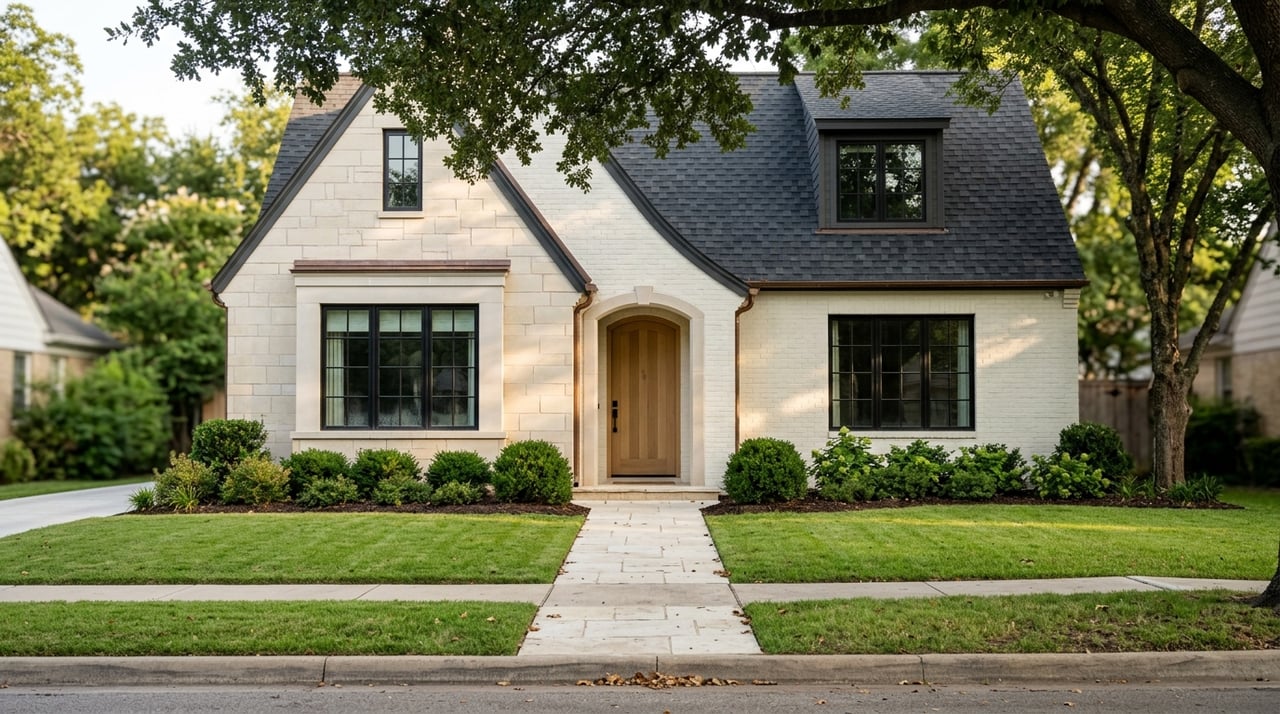
Tudor Revival is one of the clearest visual signatures in Kessler Park. These homes often stand out for their steeply pitched roofs, cross gables, tall narrow grouped windows, prominent chimneys, and exterior materials that may combine brick, stone, stucco, and half-timbering.
In practical terms, Tudor homes usually create a strong first impression from the street. Their rooflines and masonry details give them a vertical, richly textured presence that many buyers immediately recognize.
Key Tudor features to notice
- Steep rooflines
- One or more cross gables
- Tall, narrow windows grouped together
- Large or visually prominent chimneys
- Brick, stone, stucco, or half-timbered exterior detailing
In Kessler Park, Tudor Revival homes often appeal to buyers who want architectural character and a distinct sense of era. For sellers, those original details can be a major asset when the home is marketed with clear architectural language and thoughtful positioning.
Spanish and Mission-Influenced Homes
Spanish Colonial Revival and Mission-influenced homes are also central to Kessler Park’s architectural identity. These homes are typically associated with stucco finishes, clay tile roofs, arched windows and doors, arched walkways or loggias, towers, and ornamental ironwork.
Mission-style homes tend to be simpler in expression. They often feature stucco walls, tiled roofs, round arches, Spanish detailing, and a more open, spreading plan.
What gives these homes their appeal
These homes often read as softer and warmer from the street than Tudor houses. The arches, stucco surfaces, and shaded entries can create a more relaxed visual feel, while the layout and outdoor transitions often support a strong connection between indoor and outdoor spaces.
For buyers, that can translate into a home that feels welcoming and easy to live in. For sellers, these architectural cues help set expectations early and attract buyers who are specifically drawn to this style.
Bungalow and Craftsman Character
Bungalow and Craftsman homes add another important layer to Kessler Park’s prewar identity. These houses are usually one to one-and-a-half stories and are known for shallow gabled roofs, broad porches, heavy columns or piers, asymmetrical fronts, and a design approach that values ventilation and porch living.
These features help explain why many older blocks in Kessler Park feel so human-scaled and cohesive. Even when homes vary in size, the porches, lower rooflines, and grounded profiles can make the streetscape feel approachable and connected.
Common Craftsman signals
- One to one-and-a-half story form
- Broad front porch
- Heavy porch piers or columns
- Low, grounded roof profile
- Asymmetrical front elevation
If you are buying, these homes may stand out for their porch-centered living and straightforward layout. If you are selling, preserving and highlighting those visible architectural elements can help buyers understand the home’s place in the neighborhood story.
Colonial Revival Details You May See
Colonial Revival is another part of Kessler Park’s early architectural vocabulary, especially in the smaller-lot areas developed in earlier phases. These homes are generally more formal and balanced than Tudors or Craftsman bungalows.
Typical Colonial Revival details include central entrances, paired windows, small classical columns, and restrained ornament. The result is often a home that feels symmetrical, orderly, and visually composed.
While this style may feel quieter than some of the neighborhood’s more dramatic architecture, that balance is often exactly what appeals to certain buyers. It offers character without feeling overly elaborate.
Mid-Century Modern and Ranch Homes
As Kessler Park developed after World War II, later sections introduced a different design language. Kessler Neighbors United notes that early postwar homes in Sam Dealey Estates and Kessler Woods were mostly one-and-a-half or two stories before one-story ranch homes became more common.
In Kessler Lake, homes from the 1950s emphasized backyards, outdoor barbecues, large paved patios, plate-glass windows, sliding glass doors, and decorative metalwork. Timbergrove Circle, developed in 1960, leaned more heavily into contemporary and ranch styles with greater vertical emphasis.
How mid-century homes usually feel
Mid-century modern design generally favors long, low massing, expansive glass, modern materials, and interiors that feel more open and connected to the landscape. In Kessler Park, these homes often feel brighter and more patio-oriented than nearby revival-era houses.
That matters because two homes with similar square footage can live very differently. A prewar Tudor may feel more room-defined and detail-rich, while a mid-century home may feel more open, casual, and connected to the backyard.
Contemporary Additions in the Neighborhood
Some later homes in Kessler Park are best described as contemporary. In this setting, the term often refers to newer or more updated houses that sit more simply against the older streetscape.
These homes may not follow the detailing of the neighborhood’s revival-era architecture, but they still contribute to Kessler Park’s layered identity. For buyers, that can mean more variety in floor plans and finishes. For sellers, it means presentation matters, especially when helping buyers understand how a newer or updated home fits into a historically rich setting.
Why Architectural Style Matters When You Buy
Style is not just visual. It often affects how a house functions day to day.
Revival-era homes tend to emphasize masonry, roofline, porch presence, and room-by-room character. Mid-century and contemporary homes more often emphasize openness, larger windows, and stronger connections to patios and yards.
If you are comparing homes in Kessler Park, paying attention to style can help you narrow what actually fits your lifestyle. Do you want formal character, porch presence, and defined rooms, or are you looking for open sightlines, natural light, and a stronger indoor-outdoor feel?
Why Architectural Style Matters When You Sell
In Kessler Park, buyers often respond to architectural vocabulary before they respond to finishes. Steep roofs and half-timbering signal Tudor. Stucco and clay tile suggest Spanish or Mission influence. Broad porches and heavy piers point to Craftsman. Low rooflines and broad glass suggest mid-century modern.
Those details communicate era, scale, and buyer expectations right away. That is why a strong listing strategy in a neighborhood like Kessler Park should do more than mention square footage and updates. It should tell the architectural story clearly and accurately.
For distinctive homes, that kind of positioning can shape everything from prep decisions to photography to pricing strategy. It is especially important in a neighborhood where buyers often care as much about character and setting as they do about numbers on paper.
Historic District Considerations in Dallas
If you are buying or planning improvements, it is important to understand whether a home is in a designated historic area or has local protections. The City of Dallas says a Certificate of Appropriateness is required before exterior work begins in a landmark district or on an individually designated landmark.
The city also notes that more substantial alterations are reviewed by the Landmark Commission. Tax incentives may also be available for eligible historic rehabilitation projects.
Features worth paying close attention to
If a property has historic protections, these character-defining elements can affect planning, timing, and budget:
- Original windows
- Masonry and exterior finishes
- Porches and columns
- Rooflines and chimneys
- Other defining exterior details
For buyers, this is part of due diligence. For sellers, it is part of presenting the home clearly and helping buyers understand both the opportunities and responsibilities that may come with ownership.
Reading Kessler Park Homes With More Confidence
One of the best things about Kessler Park is that it rewards close attention. A steep gable, a line of arches, a broad porch, or a wall of glass can tell you a lot about when a home was built and how it may live.
That architectural range is part of what gives the neighborhood its lasting appeal. It also means every home deserves to be understood on its own terms.
Whether you are buying a classic Tudor, considering a porch-centered Craftsman, or preparing to sell a well-sited mid-century home, local style knowledge matters. If you want thoughtful guidance rooted in Dallas architecture and neighborhood nuance, Duncan Real Estate Co offers concierge-level support for buyers and sellers across Kessler Park and beyond.
FAQs
What architectural styles are most common in Kessler Park homes?
- Kessler Park is known for Tudor Revival, Spanish Colonial Revival, Mission-influenced, Bungalow or Craftsman, Colonial Revival, ranch, mid-century modern, and some contemporary homes.
How can you identify a Tudor Revival home in Kessler Park?
- Look for steep roofs, cross gables, tall narrow grouped windows, prominent chimneys, and exterior materials like brick, stone, stucco, or half-timbering.
What makes Spanish Colonial Revival homes in Kessler Park stand out?
- These homes often feature stucco walls, clay tile roofs, arches, loggias, and ironwork, which create a softer and warmer look from the street.
Are there mid-century modern homes in Kessler Park?
- Yes. Later sections of Kessler Park include mid-century modern, ranch, and contemporary homes, especially in postwar developments.
Why does architectural style matter when buying a Kessler Park home?
- Style can affect light, layout, room flow, and the home’s connection to outdoor space, so it often shapes how a house feels in everyday living.
What should sellers highlight about architectural style in Kessler Park listings?
- Sellers should clearly identify defining features like rooflines, porches, masonry, arches, chimneys, or expansive glass because these details help buyers understand the home’s character and era.
Do historic district rules affect Kessler Park homes in Dallas?
- Some properties may be subject to Dallas historic preservation rules, including approval requirements for certain exterior work if the home is in a landmark district or is individually designated.